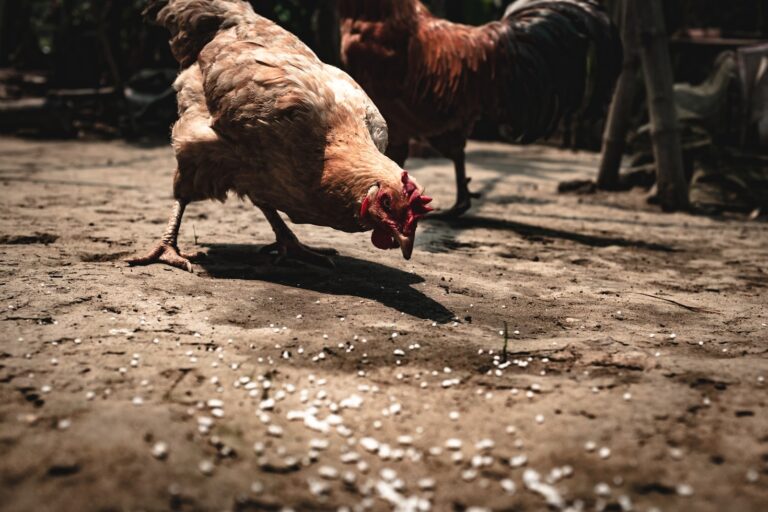
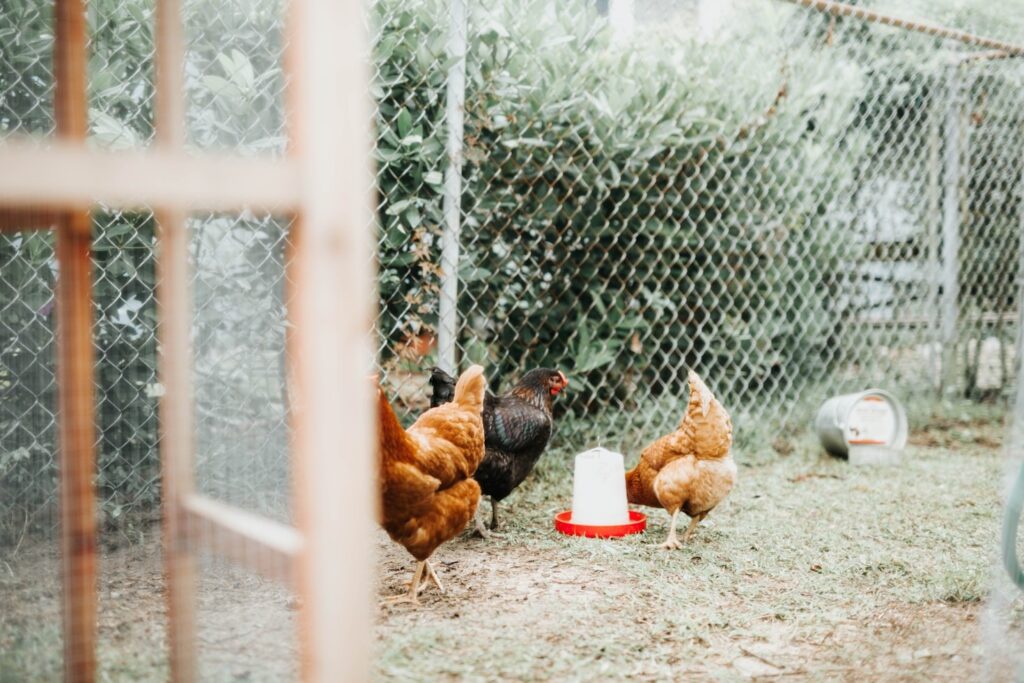
A well-designed run keeps chickens protected from predators, offers fresh air and sunshine, and keeps your yard cleaner by containing their wanderings. Whether you’re new to raising chickens or looking to upgrade your setup, this guide will take you through everything you need to know on how to build a chicken run.
What Is a Chicken Run?
A chicken run is an outdoor space attached to a chicken coop where chickens can safely roam, scratch, and explore during the day. While the coop is their secure place for sleeping and laying eggs, the run gives them room to move freely, soak up sunlight, and enjoy their natural behaviors, like dust bathing and foraging, without wandering too far.
Chicken runs are usually enclosed with sturdy fencing or wire mesh to keep predators like raccoons, foxes, and hawks out, so your chickens can enjoy the outdoors without constant risk. Some runs have roofs or netting for extra protection from flying predators and to provide shade on hot days. The ground can be covered with grass, sand, or wood chips—whatever keeps it clean and comfortable for chickens.
Adding perches, dust baths, or hanging treats in the run keeps chickens entertained and reduces boredom, which helps prevent issues like feather pecking. A chicken run is a mini playground for chickens that encourages exercise and healthy activity, leading to happier, healthier chickens.
Why Build a Chicken Run?
Chickens thrive when they can move around and engage in natural behaviors, and a run gives them the perfect space to do just that. Building a chicken run is one of the best ways to keep your chickens safe, healthy, and content.
By building a chicken run, you also help keep your yard in order by containing the chickens in one area, so they won’t dig up gardens or flower beds. With strong fencing, it protects them from common predators, allowing you to relax while your chickens enjoy their time outside. Plus, a well-designed run lets you manage their outdoor time without needing constant supervision.
Do My Chickens Really Need a Chicken Run?
A chicken run is highly beneficial for most flocks, even if they have some free-range time. While chickens can technically roam free, a chicken run brings a whole new level of safety, cleanliness, and order to their outdoor experience. A run gives your flock a protected space to explore, scratch around, and enjoy the fresh air—without the risks of roaming into the unknown. It’s also an ideal spot to keep their feed, water, grit, crushed eggshells, and oyster shells neatly organized, making chicken care more streamlined.
Keeping these essentials in the run rather than the coop has big benefits: it prevents sneaky pests like rats, mice, and possums from sniffing around the coop and helps maintain a clean, rodent-free space for your birds. Plus, chickens that spend more time outside tend to keep the coop cleaner, which means less mess and fewer odors.
In winter, having water in the run also helps prevent frostbite since spilled water inside the coop can lead to dampness, creating a chilly, unhealthy environment. Overall, building a chicken run provides your flock with a safe, stimulating environment, improving their quality of life and making caring for them much easier for you.
Where Should a Chicken Run Be Located?
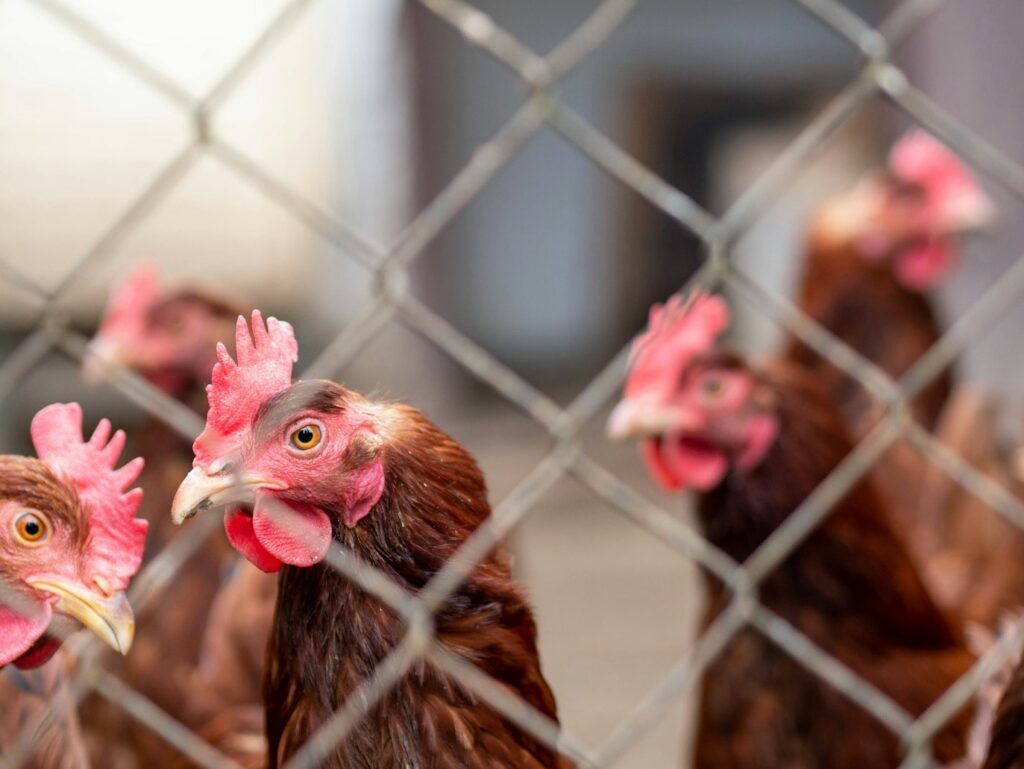
Ideally, the run should be attached to the coop with a small door allowing chickens to move freely between the coop and the run during the day. This setup lets them return to the coop to lay eggs in a secure, cozy place and seek shelter if it’s rainy, cold, or windy outside.
Choosing a spot with good drainage is also important, as standing water can make the run muddy and unpleasant. Position the run on a slight slope so rainwater flows away instead of pooling inside. Some natural shade is helpful, especially during hot months, so placing the run near a tree or adding a shade cloth can keep your chickens cooler in summer.
It’s also a good idea to pick a spot that’s easy for you to access for daily feeding, watering, and cleaning. A well-located chicken run makes it simple for chickens to enjoy their space, and it makes caring for them easier and more efficient for you.
Do Chickens Need a Covered Run?
Building your own chicken run is usually the smarter, more affordable option than buying a pre-made one. While pre-made runs seem convenient, they’re often flimsy and not designed with real chicken needs in mind. Many chicken owners quickly discover that these runs need major fixes: the wire mesh is too thin to keep out predators, doors are loose or have gaps, and the materials just don’t hold up to the elements. It’s clear that these designs often come from companies that don’t truly understand backyard chickens.
Which Is Better: Store Bought or Self Made Run?
When you build your own run, you can choose strong materials, like sturdy hardware cloth instead of thin chicken wire, and design it specifically for your yard and flock size. The cost of materials may be similar to buying a run, but DIY gives you control over the quality, ensuring your chickens are safe and the run lasts for years. And while building a run takes a bit of effort, the result is something that holds up better and gives you peace of mind.
Things To Consider When Designing Your Chicken Run
Fixed Location or Portable Run
When planning your chicken run, think about whether you want it to stay put or be movable. A fixed run is sturdy and lets you add features like a roof or predator-proof fencing, but it keeps your chickens in one area, so they might wear down the ground over time. A portable chicken coop on wheels, sometimes called a “chicken tractor,” can be moved around the yard to give your flock fresh patches of grass. It’s lighter and more flexible but usually isn’t as secure as a fixed run. Decide what works best for your space and chicken care routine.
Predators
Predator-proofing is a must for any chicken run. Raccoons, foxes, hawks, and even neighborhood dogs can be a threat. Hardware cloth works better than regular chicken wire since it’s tougher and keeps out determined animals. Burying the mesh about a foot deep around the edges can stop animals from digging in, and a roof helps keep out hawks or other flying predators. Taking a little time to plan for predators will make sure your flock stays safe.
Chicken Breeds
Different chicken breeds have different behaviors when it comes to staying put. Light, agile breeds like Leghorns and Bantams are more likely to fly over fences, so if you have these breeds, a 6-foot fence or even a roof might be needed. Heavier breeds like Orpingtons are less likely to fly, so a 4-foot fence could be enough. Knowing your chickens’ personalities can help you design the right setup to keep them where they belong.
Size
The size of your chicken run depends on how many chickens you have. A good starting point is about 10 square feet per chicken, which gives them space to explore without feeling crowded. This also keeps them happier and helps prevent bad behaviors. If you think you’ll add more chickens in the future, consider going a little bigger from the start—it’s always nice to have a little extra room for them to roam!
How To Build a Chicken Run Step By Step
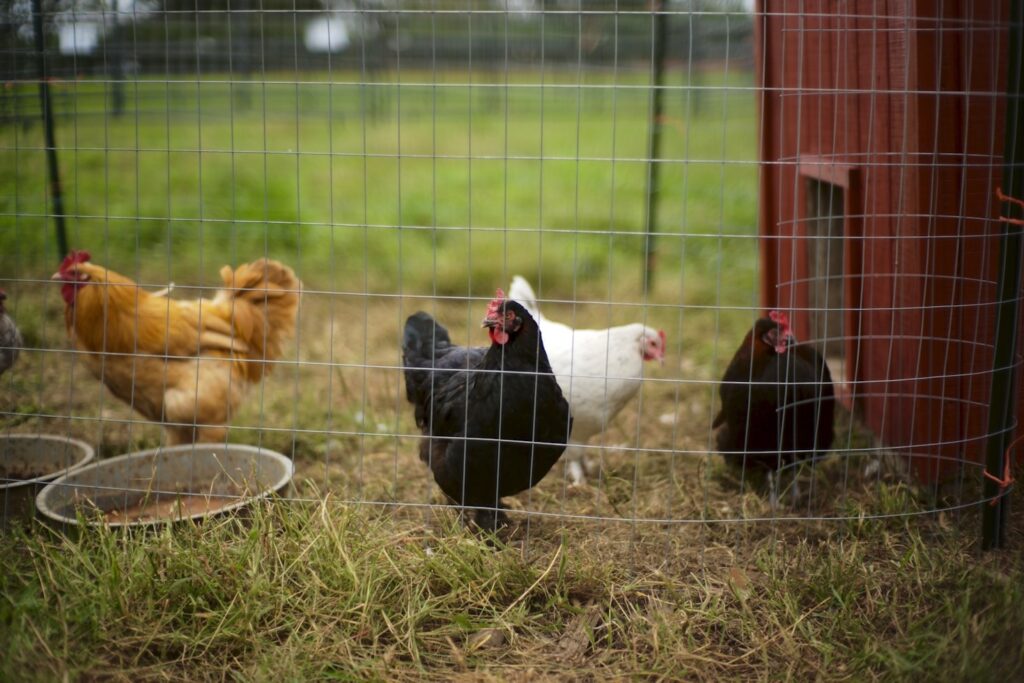
Now we’re finally getting to the fun part: building the run! Here’s a step-by-step guide to creating a strong, secure run that will keep your flock protected and happy.
How to Set the Posts
The posts are the foundation of your chicken run, giving it stability and structure. Start by marking out the area with stakes and string, making sure you have enough space for your chickens. Dig holes about 12-18 inches deep at each corner and along the perimeter every 6-8 feet. Place your posts in the holes and fill them with concrete or packed soil. Concrete works best, especially in areas with high winds or rain, as it keeps the posts secure. Let the concrete set for a day if you’re using it. With solid posts in place, you’re ready to build the rest of the run.
How to Build the Frame
With the posts set, it’s time to add the frame that will support the walls of your chicken run. Connect each post with horizontal beams around the bottom, middle, and top. Treated wood is a good choice because it’s resistant to weather. Use strong screws or bolts to secure the beams, as they’ll hold up better over time than nails. For extra stability, add diagonal braces at each corner to keep the frame steady. This frame doesn’t need to be fancy, but it should be sturdy enough to last.
How to Build a Chicken Run with a Roof
A roof keeps your chickens safe from aerial predators like hawks and protects them from rain. For a simple solution, stretch hardware cloth or chicken wire across the top and secure it well. If you live in an area with heavy rain or snow, consider using corrugated metal or plastic panels with a slight slope, allowing water to drain off easily. Attach the roof material to the top beams securely. If using mesh, make sure it’s stretched tightly with no gaps for predators to get through. A roof adds both protection and comfort for your chickens.
How to Complete the Framing
With the roof on, it’s time for framing the chicken run by adding extra beams where needed, especially around the door. A strong frame around the door keeps the run stable and ensures the door will stay secure. Make sure the door frame is square and sturdy, so the door will open and close easily. Double-check all beams and screws at this stage to make sure everything is secure. Reinforcing the frame now will save you from repairs later, especially with active chickens pecking and scratching around.
How to add on the Chicken Wire and Hardware Cloth
Now it’s time to add the wire mesh that keeps your chickens safe inside and predators out. Start by attaching hardware cloth (a stronger, smaller-mesh wire) around the bottom 2-3 feet of the run to keep small predators like raccoons from reaching in. Use heavy-duty staples or screws with washers to fasten it tightly to the frame.
Above the hardware cloth, you can add chicken wire or more hardware cloth, depending on your predator concerns. Overlap the seams and make sure the wire is stretched tightly. For extra protection, dig a trench around the run and bury the bottom edge of the hardware cloth about 12 inches deep. This will stop animals like foxes or dogs from digging under the run.
How to Build a Chicken Run Gate
A secure door is essential for accessing the chicken run. Start by building a simple rectangular door frame that fits within the door opening. Cover the door with wire mesh, securing it just like the rest of the run. Attach strong hinges on one side and a locking latch on the other—avoid simple latches, as raccoons can figure them out! Choose a locking latch or spring-loaded latch for extra security. Once installed, test the door to make sure it swings smoothly and locks securely.
If you want added protection, consider a double-door system, where one door opens into a small area before entering the main run. This helps prevent chickens from slipping out when you enter.
Keeping It Clean
Now that you’ve got your run, it’s important you keep it clean. A few simple habits make a big difference in keeping the space fresh and manageable.
- Daily Droppings Check: Chickens are messy, and droppings can pile up fast. A quick daily sweep of visible droppings will keep odors down and prevent bacteria from building up. Using a rake or small shovel makes this easy.
- Fresh Water & Food: Spilled food and water can attract pests and lead to mold. Make it a habit to check feeders and waterers daily, clearing any mess and topping off with clean water.
- Weekly Refresh: Once a week, rake up the ground covering (like straw, wood chips, or sand) to break up any compacted spots and allow for better drainage. Replace soiled bedding or ground cover as needed to keep everything fresh.
- Monthly Deep Clean: Every month, give the entire run a thorough clean. Remove all bedding, scrub feeders and waterers with mild soap, and inspect for any needed repairs.
- Manage Odor with Sand: If your run has sand as the ground cover, scoop it regularly like a litter box to keep things clean and odor-free.
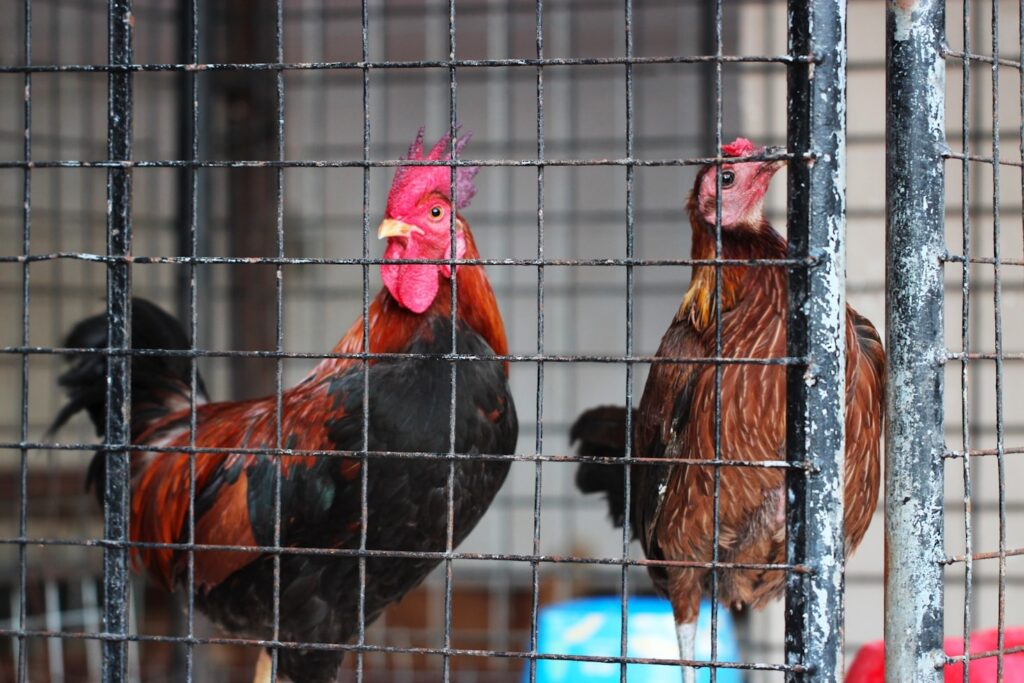
A well-planned chicken run doesn’t just look great—it’s also a safe, comfortable space that keeps chickens happy and healthy. With thoughtful design, quality materials, and a little creativity, your chicken run will become a place both you and your flock can enjoy.
Give your chickens the space they need to stay active and healthy! Need more poultry tips? Head over to Poultryperch, the one stop for all things poultry related. Contact us now for more chicken information!