If you’ve ever watched chickens roam around, you’ll notice they eat almost anything that crosses their path—bugs, plants, and even the occasional odd object. But while chickens are adventurous eaters, that doesn’t mean you can toss them just anything. You might be wondering, “What do chickens eat?”, “what can chickens not eat?”, or “Are there specific rules for feeding them?” Don’t worry; chickens are actually quite easy to feed once you get the hang of it. The key is understanding their tastes, ensuring they get the right nutrition, and knowing when their eating habits might change. Let’s take a look at what you can offer your chickens to keep them happy and healthy.
Individual Tastes
Just like people, chickens have unique personalities. One chicken might love to peck at tomatoes, while another may prefer sunflower seeds or grains. Their tastes can vary widely, and if you watch your chickens, you’ll start to notice their little preferences. Some might chase after bugs in the yard all day, while others will sit contentedly by the feeder, nibbling on pellets.
While all chickens need a well-balanced diet, some chickens may enjoy different types of treats more than others. This means you can experiment a little, offering various snacks like fresh veggies, mealworms, or grains, to see what they like best. It’s important, though, to always provide their primary feed to ensure they get the nutrients they need.
The Chicken Feed Rule
To keep chickens healthy, it’s crucial to follow the 90/10 rule. This means that 90% of their diet should come from a balanced commercial chicken feed, which provides all the essential nutrients chickens need to grow strong, lay eggs, and stay healthy. The other 10% can be made up of treats, kitchen scraps, or forage they find themselves while free-ranging.
Why this rule? Chicken feed is specifically formulated with the perfect blend of proteins, vitamins, and minerals to support your chickens’ health. If you give them too many treats, they might fill up on less nutritious food, leaving little room for their essential feed. This can lead to malnutrition, lower egg production, and even health issues over time.
What to Feed Chickens When Feed Isn’t Available
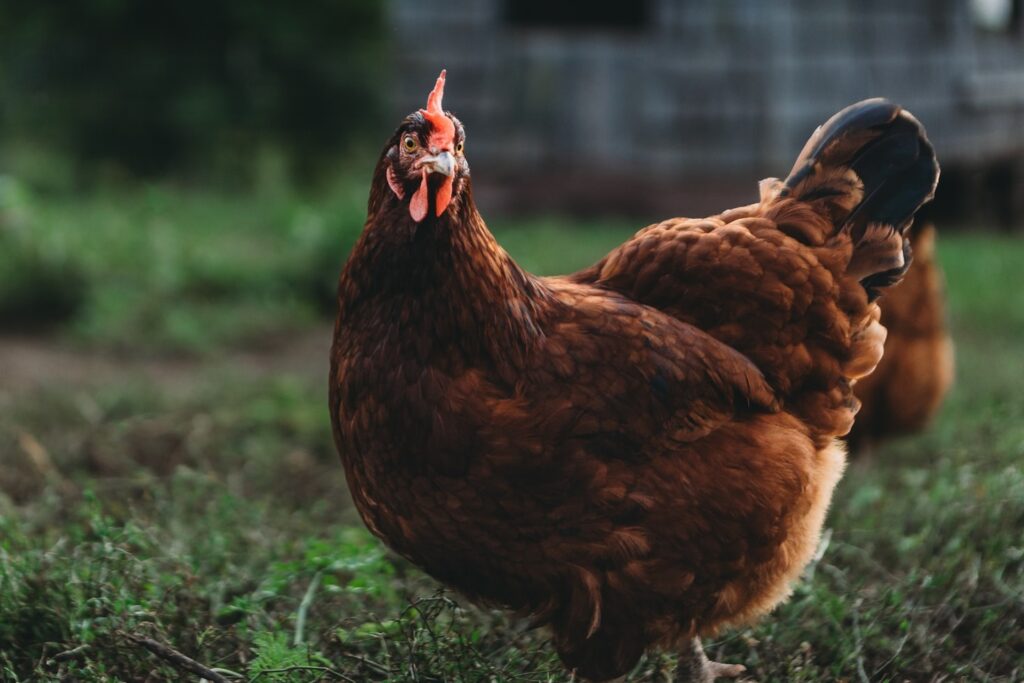
If you ever find yourself short on chicken feed, don’t worry! Chickens can eat a variety of things until you can restock. Here are some great alternatives:
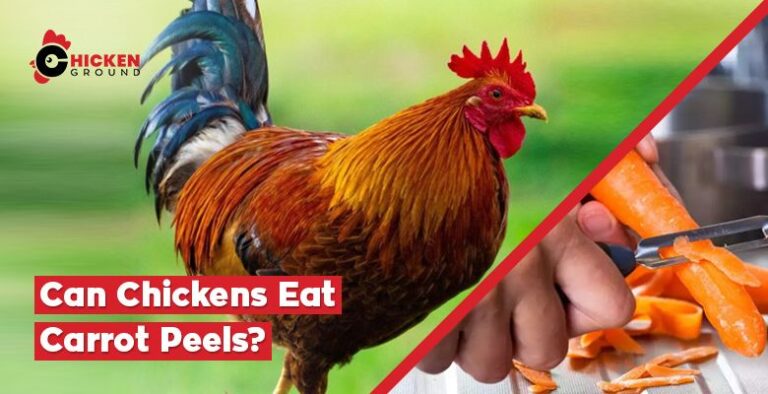
- Kitchen scraps: Chickens love leftover vegetables, fruits, and grains. You can give them things like carrot peels, cucumber slices, or stale bread. Avoid giving them onions, garlic, or anything too salty, sugary, or spicy, as these can upset their stomachs.
- Sprouted grains, seeds, legumes, and beans: Sprouted grains like wheat or barley are a great source of nutrition for chickens. You can also offer them seeds and legumes, which are packed with protein.
- Free-ranging: Letting your chickens roam the yard allows them to forage for bugs, worms, and grass. This gives them a natural, varied diet and helps keep them entertained.
Chicken Treats
Mealworms are a popular treat for chickens, and they go absolutely wild for them! Not only are mealworms a tasty treat, but they’re also packed with protein, which is especially helpful for your chickens during molting (more on that later). You can buy dried mealworms or raise your own if you want a constant supply.
Just remember to keep mealworms as a treat. They’re great, but too many can throw off your chickens’ diet, so stick to the 90/10 rule.
Chicken Scratch
Chicken scratch is another favorite among chickens. It’s a mix of cracked corn and grains that chickens love to peck at, and it gives them something to do, especially if they’re in an enclosed space and can’t roam. But scratch is more of a snack—it doesn’t have all the nutrients that a balanced feed provides, so it shouldn’t replace their main food. Giving your chickens scratch occasionally is a great way to keep them busy and engaged, but again, moderation is key.
Since scratch encourages chickens to scratch the ground in search of the grains, it’s also a great way to give them some mental stimulation, especially if they’re kept in an enclosure and can’t free-range. Just be careful not to overfeed scratch because it’s like giving them candy—delicious but not entirely healthy in large amounts!
What Food Can Chickens Eat
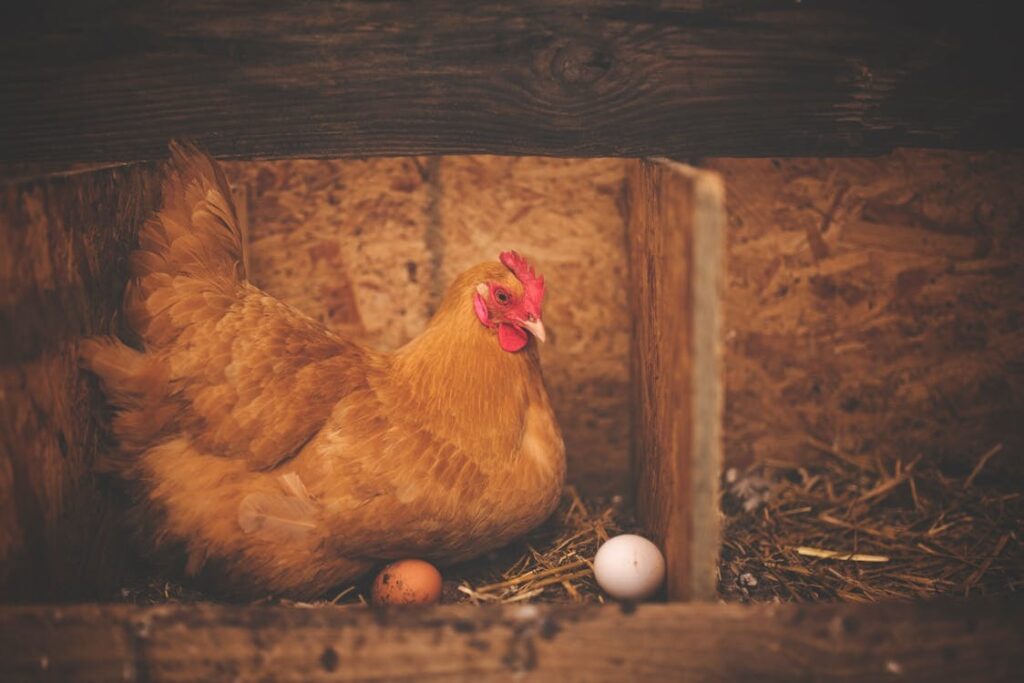
Chickens are omnivores and very easy to feed. Here’s a list of everything your chicken can eat:
Can Chickens Eat Grapes?
Chickens can definitely enjoy grapes as an occasional treat. They love the sweet taste, but because grapes have a high sugar content, it’s best to offer them sparingly. For safety, cut the grapes in half to prevent choking. They can eat the seeds, but seedless varieties make things simpler. Your chickens will likely peck at them eagerly!
Can Chickens Eat Bananas?
Yes, chickens can eat bananas, and they often love the soft, sweet texture. Bananas are rich in potassium and other vitamins, making them a healthy snack in moderation. However, because bananas are sugary, you shouldn’t overfeed them.
Can Chickens Eat Tomatoes?
Ripe tomatoes are perfectly safe and a nutritious snack for chickens, providing vitamins like A and C. Just avoid the leaves, stems, and green tomatoes, as they contain solanine, which is harmful to chickens. Serve the ripe parts sliced or chopped, and your flock will enjoy pecking at the juicy, colorful fruit.
Can Chickens Eat Apples?
Chickens can eat apples, but be sure to remove the seeds and core, as they contain cyanide. Apples are a refreshing, vitamin-packed treat, and chickens tend to enjoy the crunchy texture. Cut the fruit into smaller pieces to make it easier for them to eat. This snack is especially welcome on hot days, providing hydration along with nutrition.
Can Chickens Eat Pineapple?
Pineapple is a treat that chickens can enjoy in moderation. Its high vitamin C content makes it beneficial, but the acidity and sugar levels mean it shouldn’t be a regular snack. Make sure to remove the tough skin and core, and offer small, bite-sized pieces for easy eating. Your chickens might love the tropical twist!
Can Chickens Eat Celery?
Chickens can eat celery, though its fibrous texture may be difficult for them to tear apart. Celery is a treat that is extremely healthy for them. Its water content makes it a refreshing snack for them, particularly during warm weather.
Can Chickens Eat Strawberries?
Yes, chickens can eat strawberries, and they’re likely to go crazy for them! Strawberries are packed with antioxidants and vitamins, making them a nutritious snack. Since they’re sweet, it’s a good idea to limit how much you give to avoid too much sugar in their diet. Offer whole berries or cut them up for easy eating.
Can Chickens Eat Carrots?
Chickens can eat carrots, but raw ones should be grated or chopped up to avoid any difficulty chewing. They can also enjoy cooked carrots, which are softer and easier to eat. Carrots provide valuable nutrients like beta-carotene, which can even help boost the color of your chickens’ egg yolks and feathers.
Can Chickens Eat Banana Peels?
Chickens can technically eat banana peels, but they may not find them very appetizing. The peel is tough and fibrous, so it’s best to chop it into small, easy-to-eat pieces. Make sure the peels are organic and free of pesticides.
Can Chickens Eat Blueberries?
Chickens love blueberries! These tiny, antioxidant-packed fruits are a great, healthy snack for them. You don’t need to worry about cutting blueberries, as their small size makes them easy to eat. Chickens will happily peck away at these juicy berries, but remember to offer them in moderation due to their natural sugar content.
Can Chickens Eat Bread?
Chickens can eat bread, but it should be an occasional treat, not a regular part of their diet. Bread lacks the essential nutrients they need and can be filling without providing much benefit. Avoid moldy bread, which can make chickens sick. A little bit of whole grain bread, offered sparingly, is fine for a treat.
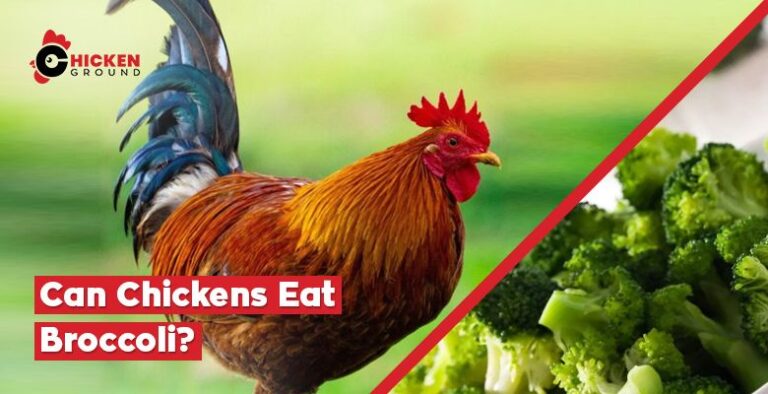
Can Chickens Eat Broccoli?
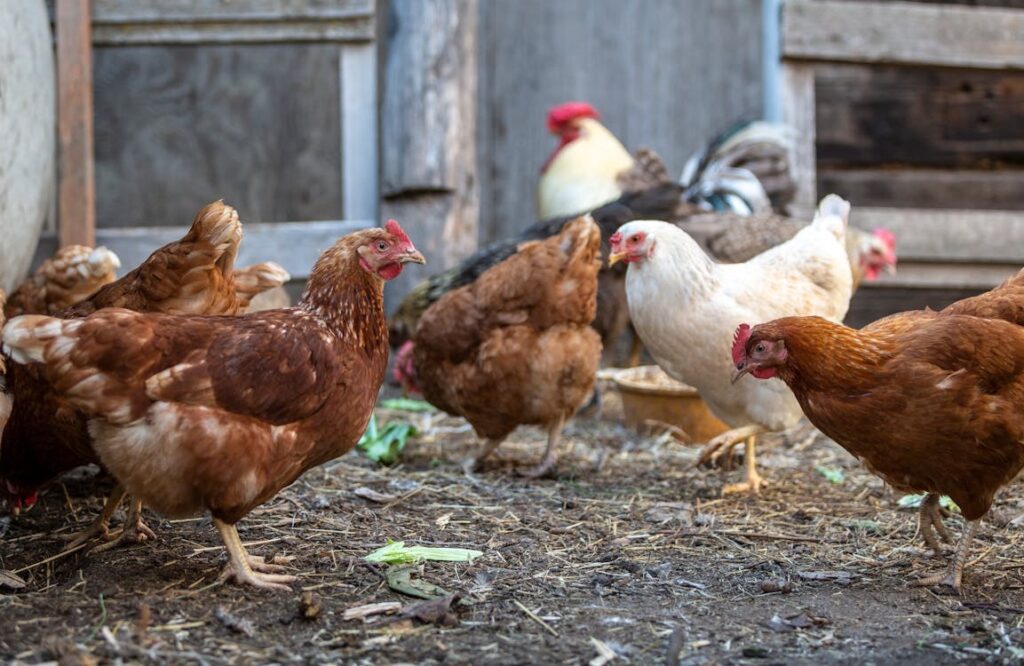
Broccoli is a healthy, nutrient-rich vegetable that chickens can safely enjoy. They can eat it raw or cooked, and it’s full of vitamins that support their overall health. You can chop broccoli into small pieces or hang it in the coop for the chickens to peck at, which doubles as a fun foraging activity.
Can Chickens Eat Cucumbers?
Yes, chickens can eat cucumbers, and they often love the refreshing, watery crunch. Cucumbers are especially good in summer as they help keep chickens hydrated. You can give them whole cucumbers for your chickens to peck at or slice them up. The seeds and flesh are perfectly safe, but avoid overfeeding since they’re mostly water.
Can Chickens Eat Cantaloupe?
Chickens love cantaloupe! The sweet, juicy flesh is a refreshing and hydrating snack, especially on hot days. Just make sure to remove the tough rind and seeds, as it can be hard for chickens to digest. Offering small pieces of cantaloupe will keep them entertained and well-fed.
Can Chickens Eat Popcorn?
Chickens can eat plain, air-popped popcorn, but it should only be given occasionally. Popcorn is light and fun for them to peck at, but it doesn’t offer much nutritional value. Avoid giving them popcorn with butter, salt, or any other seasonings, as those ingredients are unhealthy for chickens.
Can Chickens Eat Rice?
Yes, chickens can eat both cooked and uncooked rice. Cooked rice is soft and easy for them to digest, making it a good occasional treat. If you offer uncooked rice, do so in small amounts. Rice should not replace a balanced diet but can be a fun snack that your flock will happily gobble up.
Can Chickens Eat Watermelon?
Watermelon is a huge hit with chickens, especially during hot weather. The high water content helps keep them hydrated, and they love pecking at the sweet, juicy flesh. A perfect summer snack for your flock!
Can Chickens Eat Asparagus?
Chickens can eat asparagus, though it might not be their favorite vegetable. It’s perfectly safe and offers some fiber and vitamins, but you may find they peck at it less enthusiastically than other snacks. It’s a healthy, low-calorie addition to their diet.
Can Chickens Eat Cabbage?
Cabbage is a nutritious, crunchy treat that chickens can enjoy. You can hang a whole cabbage in the coop for them to peck at, making it both food and entertainment. Cabbage is full of vitamins and low in calories, making it a great addition to your chickens’ diet, especially during winter when greens are less available.
Can Chickens Eat Cheese?
Cheese can be fed to chickens, but only in small amounts. It’s high in fat and not something they would typically eat in the wild. Soft cheeses like cottage cheese are a better choice if you decide to offer dairy, but make sure to avoid processed or moldy cheese. Treat cheese as an occasional indulgence.
Can Chickens Eat Green Beans?
Chickens can eat green beans, but they should be cooked before offering them to your flock. Raw green beans contain lectins, which can upset their digestion. Once cooked, they make a healthy snack packed with fiber and vitamins.
Can Chickens Eat Raisins?
Yes, chickens can eat raisins in moderation. Raisins are sweet and high in sugar, so they should be given sparingly as a treat rather than a regular snack. Too many raisins could lead to digestive issues. Be sure to offer only a few at a time, and your chickens will likely gobble them up with enthusiasm.
Can Chickens Eat Cilantro?
Yes, chickens can eat cilantro, and many enjoy its fresh, aromatic flavor. Cilantro is a safe herb that can add variety to their diet, providing vitamins and antioxidants. You can chop it up and mix it into their feed or offer it on its own. It’s a healthy, light snack, perfect for a change of pace.
Can Chickens Eat Kiwi?
Chickens can eat kiwi, and they’ll likely enjoy the sweet, tangy flavor. Kiwi is packed with vitamin C and other nutrients, making it a healthy treat. Remove the skin if you like, though they can peck through it with no issue.
Can Chickens Eat Peaches?
Yes, chickens can eat peaches, but be sure to remove the pit first, as it contains cyanide like many other fruit seeds. The sweet, juicy flesh of the peach is a delicious treat packed with vitamins. Just be mindful of the high sugar content and offer them in small amounts.
Can Chickens Eat Pumpkin Seeds?
Chickens can absolutely eat pumpkin seeds, and they love them! Pumpkin seeds are a nutritious snack, offering a good amount of protein and healthy fats. You can feed them raw or roasted, just make sure they’re unsalted. Many chicken owners believe pumpkin seeds also help with parasite control, making them a healthy and beneficial treat.
Can Chickens Eat Cherries?
Chickens can eat cherries, but you should remove the pits, as they too contain cyanide. The flesh of the cherry is safe and a sweet, juicy treat that chickens enjoy. Offer cherries in small pieces, and be sure to keep an eye out for any leftover pits. As with most fruits, moderation is key due to the sugar content.
Can Chickens Eat Chicken?
While it may sound odd, chickens can eat chicken, and it’s actually a good source of protein for them. Cooked chicken scraps can be offered as a treat, but avoid giving them raw chicken or heavily seasoned meats. It’s important to keep it clean and simple, and not rely on this as a regular part of their diet.
Can Chickens Eat Mango?
Chickens can eat mango, and they usually enjoy the sweet, tropical flavor. Mangoes are rich in vitamins like A and C, making them a healthy treat. Just be sure to remove the pit and offer the fruit in small, manageable pieces. The skin is also safe, but chickens might prefer the juicy flesh over the tougher peel.
Can Chickens Eat Peanuts?
Chickens can eat peanuts, but they should be offered in moderation and ideally unsalted. Peanuts provide protein and healthy fats, but the high fat content means they should only be an occasional treat. Avoid giving chickens peanut butter, as the added sugar and salt can be harmful to them. Stick to plain, raw, or roasted peanuts.
Can Chickens Eat Pumpkins?
Chickens can safely eat pumpkin, and it’s a healthy, fiber-rich snack. Both the flesh and seeds are safe for chickens and packed with nutrients. You can serve pumpkin raw or cooked, and your flock will enjoy pecking at the soft flesh.
Can Chickens Eat Sweet Potatoes?
Yes, chickens can eat sweet potatoes, but they should be cooked before serving. Raw sweet potatoes contain trypsin inhibitors, which can affect digestion. Cooked sweet potatoes are a nutritious, starchy treat that provides fiber and vitamins. You can mash them up or offer small pieces, making sure they’re fully cooked and cooled before feeding.
Can Chickens Eat Walnuts?
Chickens can eat walnuts, but they should be unsalted and given in little amounts. Walnuts are high in fat, so while they provide protein and healthy fats, too many could lead to digestive issues.
Can Chickens Eat Zucchini?
Yes, chickens can eat zucchini, and it’s a healthy, low-calorie treat for them. Zucchini is full of water and fiber, making it a refreshing snack, especially in warmer weather. You can serve it raw or cooked. Many chickens love pecking at whole zucchinis as a fun activity.
Can Chickens Eat Brussels Sprouts?
Chickens can eat Brussels sprouts, either raw or cooked. These small, leafy vegetables are packed with vitamins and fiber, making them a healthy addition to their diet. You can chop them up or even hang whole sprouts in the coop for your chickens to peck at.
What Food Can Chicken Not Eat
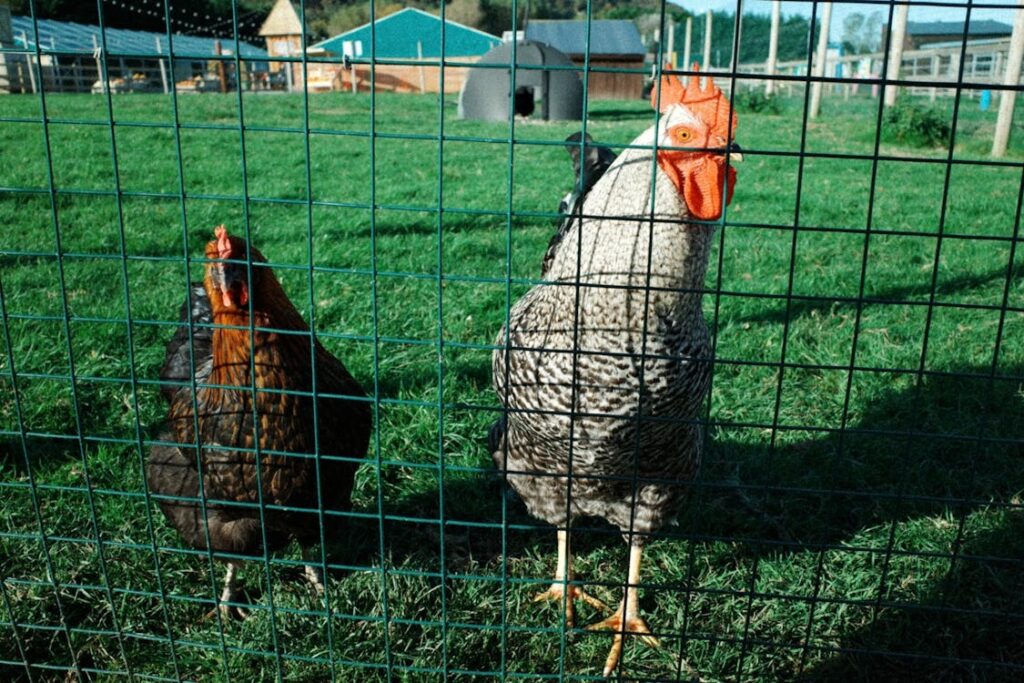
While these little friends are hardy creatures, there are a few things that they absolutely cannot eat. Take a look at the list below and make sure your flock is getting fed excluding these items.
Can Chickens Eat Avocado?
Avocado is dangerous for chickens, as the skin, pit, and leaves contain persin, a toxin that can cause serious health issues. Even the flesh, while less toxic, is best avoided due to its high fat content.
Can Chickens Eat Onions?
It’s best to avoid feeding chickens onions. Onions contain compounds that can cause digestive upset and even affect the quality of their eggs if eaten in large amounts. In particular, thiosulfate in onions can harm their red blood cells.
Can Chickens Eat Chocolate?
Chickens should never eat chocolate. It contains theobromine, which is toxic to chickens and can cause serious health issues, including heart problems. Even small amounts can be dangerous, so it’s important to keep chocolate and any chocolate-containing foods away from your flock. Stick to safer treats like fruits or veggies instead.
Food To Be Careful Around
Here is a list of foods that can be given to your poultry flock but should be done in a careful manner:
Can Chickens Eat Bell Peppers?
Chickens can safely eat the flesh of bell peppers, which is rich in vitamins, but avoid giving them the stems, seeds, or leaves, as they can be toxic. Chop the peppers into small pieces, and your chickens will enjoy pecking at the brightly colored veggie. Bell peppers add a nice boost of nutrients to their diet.
Can Chickens Eat Potatoes?
Chickens can eat cooked potatoes, but raw or green potatoes should be avoided because they contain solanine, a toxin. Cooked potatoes make a safe treat, though they don’t offer much in terms of nutrition. Avoid feeding them fried or heavily seasoned potatoes, and limit their intake as potatoes are quite starchy.
Can Chickens Eat Mushrooms?
While store-bought mushrooms are generally safe for chickens, it’s best to avoid feeding them any mushrooms. Wild mushrooms can be toxic, and it’s difficult to distinguish safe varieties from harmful ones. Since mushrooms don’t offer significant nutritional benefits, it’s safer to skip them and stick with more reliable treats.
Can Chickens Eat Oranges?
Chickens can eat oranges, but the strong acidity might not be appealing to them. While oranges are a good source of vitamin C, too much citrus can interfere with calcium absorption, leading to softer eggshells. If you offer oranges, do so sparingly and monitor how your chickens react to the taste.
Chickens Can Get Spoiled!
It’s easy to spoil your chickens, especially when they get used to treats. If you start giving them too many snacks, you might notice that they begin to turn up their noses at their regular feed. Some chickens will even wait by the door for you to bring them something extra! Is it cute? Absolutely. However, it’s not healthy nor sustainable for the poultry.
So what’s the solution? Don’t give in to their demands! Always make sure they have access to their main feed, and avoid overindulging them with treats. If they turn up their beaks at the feed, they will eventually come around and eat it once they realize there are no extra snacks on offer.
How Much Feed Does Each Chicken Need?
On average, a healthy adult chicken will eat about 1/4 to 1/2 pound of feed per day. Of course, this can vary depending on the size of the chicken and whether they’re free-ranging or primarily eating from their feeder. Make sure to keep fresh water available at all times, as chickens need plenty of water to digest their food and stay hydrated.
If you notice your chickens eating significantly less, it could be a sign that something’s wrong, so keep an eye on their eating habits.
What Happens During Molting?
Molting is a natural process where chickens lose their old feathers and grow new ones, and it usually happens once a year. During this time, you might notice that your chickens are eating less than usual. This is perfectly normal! Molting can be a bit stressful for them, and their bodies are working hard to produce new feathers, which requires a lot of protein.
To help your chickens during molting, you can offer them protein-rich foods like mealworms or sprouted grains. This will give them the extra boost they need to grow those new feathers.