Chickens are pretty amazing creatures when you think about it. They start as tiny eggs and grow into full-grown birds with their own unique personalities. If you’re new to raising chickens or just curious about how they grow, learning about the life cycle of chickens is a great place to start. Let’s take a closer look at what is the life cycle of a chicken.
Stage 1: The Egg
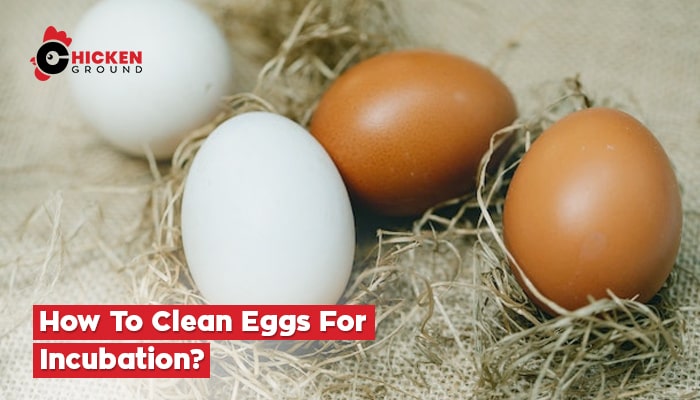
Every chicken’s life begins as an egg. When a rooster and hen mate, the eggs she lays are fertilized and have the potential to hatch into baby chicks. If there’s no rooster involved, the eggs are just for eating—they won’t develop into chicks.
A fertilized egg needs the right conditions to grow into a chick. A hen that’s feeling broody will sit on her eggs to keep them warm and turn them regularly. If you’re hatching eggs yourself, an incubator can do the job. It keeps the eggs at the perfect temperature (around 99–102°F) and humidity.
Inside the egg, things happen fast. Over 21 days, the egg transforms from a single cell into a fully formed chick. By day 5, the chick’s heart is beating. By day 12, feathers start growing. And by the end of day 21, it’s ready to hatch.
Stage 2: Hatching
Hatching is the chick’s first big challenge in life. When it’s ready, it starts pecking at the shell using a tiny bump on its beak called the “egg tooth.” This process is called “pipping,” and it’s hard work.
The chick pecks a small hole in the shell, then works its way around in a circle, creating a crack called a “zip.” Finally, it pushes itself out of the shell. This can take hours, and the chick is usually exhausted afterward.
When a chick first hatches, it looks wet and scruffy. It takes a few hours to dry off and fluff up. Once that happens, it’s ready to take on the world.
Stage 3: Chickhood
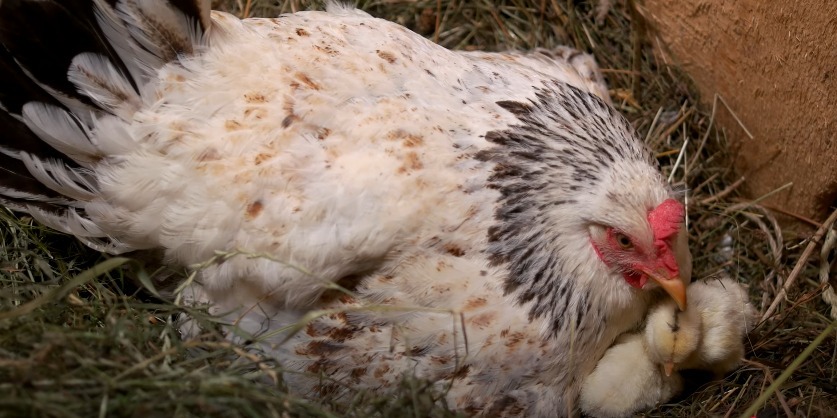
The chick stage in the life cycle of a hen is full of energy and growth. Newly hatched chicks are tiny, fluffy, and need a lot of care. If they’re raised by a hen, she keeps them warm and shows them where to find food and water. If you’re raising them, you’ll need a brooder (a safe, warm space) with a heat lamp to keep the temperature around 95°F.
Chicks grow quickly. Within a few days, they start sprouting feathers. They’re curious little explorers, pecking at everything and chirping non-stop. By 4–6 weeks, they’re starting to lose their fluffy down and grow proper feathers. At this stage, they can handle short trips outside if the weather is warm enough.
By the time they’re about six weeks old, chicks are getting pretty independent. They eat, drink, and explore without much help, but they’re not fully grown yet.
Stage 4: The Teenage Phase
At 6–8 weeks old, chicks enter what many people call the “teenage phase.” Female chickens are called pullets, and males are called cockerels during this stage.
This is when chickens really start to grow up. They get their adult feathers, and their personalities begin to show. Pullets won’t lay eggs yet, but their bodies are getting ready. Cockerels might start trying to crow, though their early attempts can sound more like squeaky toys than real roosters.
Social dynamics also become important during this phase. Chickens establish a pecking order, which is like a hierarchy within the flock. There might be some squabbles as they figure out who’s boss, but this is totally normal.
Stage 5: Adulthood
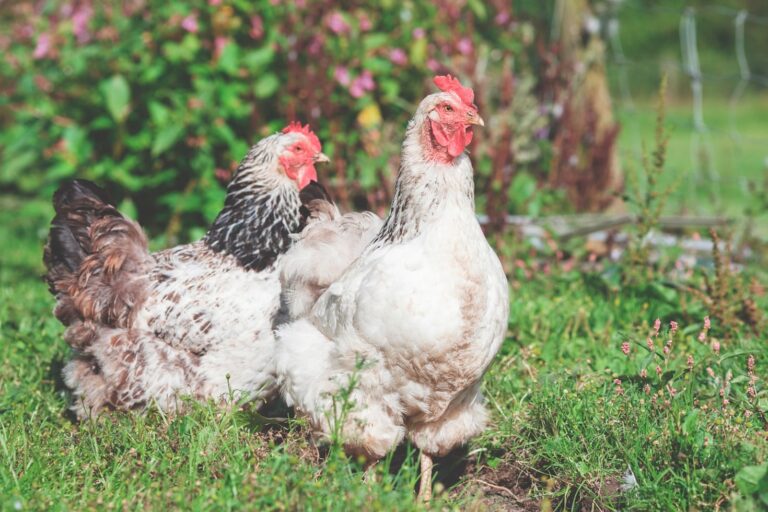
By 16–20 weeks, chickens are fully grown. Pullets officially become hens once they lay their first egg. These early eggs, called “pullet eggs,” are usually small and might look a little funny, but they’re perfectly good to eat.
Hens usually lay one egg every day or so, though it depends on the breed, diet, and season. Roosters, on the other hand, don’t lay eggs, but they have their own role. They protect the flock, sound the alarm if there’s danger, and sometimes even do little dances to impress the hens.
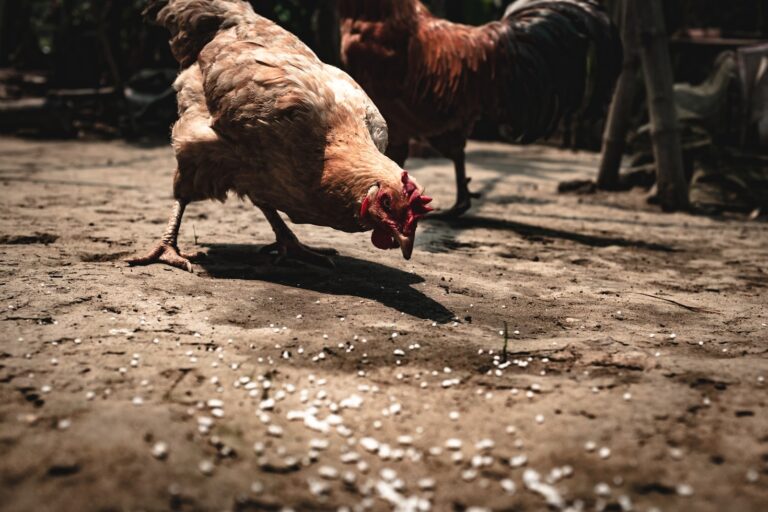
Adult chickens are creatures of habit. They spend their days scratching the ground, taking dust baths, foraging for snacks, and hanging out with their flock mates. With good care, they can live happy, healthy lives for years.
Stage 6: The Golden Years
As chickens get older, they slow down a bit. Hens stop laying as many eggs, and by the time they’re 4–5 years old, they might not lay at all. Roosters also mellow out with age and become less active.
Even though older chickens aren’t as productive, they’re still valuable members of the flock. They help keep the social structure stable and enjoy all the same activities—like sunbathing, foraging, and dust bathing.
With proper care, chickens can live 8–10 years or more. Some breeds are known to live even longer, but their exact lifespan depends on things like health, diet, and environment.
Why It’s Important to Know the Life Cycle
Understanding the life cycle of a chick is helpful whether you’re raising them as pets, for eggs, or for other purposes. Each stage has its own needs, and knowing what to expect can make caring for them a lot easier.
For example, chicks need warmth and protection, teenagers need space to figure out their pecking order, and older chickens benefit from a bit of extra care as they age. Plus, it’s just fun to watch them grow and see their personalities develop along the way.
Final Thoughts
Chickens might seem like simple creatures, but their life cycle is anything but boring. From the moment they start developing in the egg to their golden years as wise old birds, every stage is full of growth, challenges, and surprises.
Looking for more poultry tips and tricks? At Poultry Perch, we’ve got you covered with easy-to-follow advice for raising happy, healthy chickens. Come explore our guides and make the most of your flock!