Best Floor for Chicken Coop
When it comes to designing the perfect chicken coop, choosing the right flooring is just as important as picking the right location or size. The floor of your coop is a big player in keeping your chickens safe, comfortable, and healthy. But with so many materials available, which one is truly the best? In this article we’ll dive into some of the most popular flooring options for chicken coops and explore the pros and cons of each one!
1. Concrete Floor For Chicken Coop
Concrete is one of the most durable and secure options for chicken coop floors. Here’s why:
- Advantages:
- Pest-proof: Concrete makes it almost impossible for predators like rats or raccoons to dig their way into the coop. This keeps your poultry safe and secure from such threats.
- Easy to clean: Concrete is a breeze to clean. A quick rinse with water or a sweep with a broom can remove droppings and bedding easily.
- Longevity: Concrete floors last for decades, making them a one-time investment.
- Disadvantages:
- Cold and hard: Concrete can get really cold in winter, which may be uncomfortable for your chickens unless you add a thick layer of bedding.
- Costly: Installing a concrete floor is more expensive upfront compared to other materials.
If you want a floor that prioritizes security and ease of cleaning, concrete is a solid choice—pun intended!
2. Wire Mesh Floor For Chicken Coop
Wire flooring is another option, especially for coops raised off the ground. A wire floor involves a mesh or hardware cloth that allows droppings to fall through. Coops with wire use only the stronger king of wire since weak wire falls short on providing predator protection.
- Advantages:
- Easy waste management: Droppings fall below the floor, keeping the coop cleaner for longer.
- Ventilation: Wire flooring provides excellent airflow, which can help reduce odor and moisture inside the coop.
- Disadvantages:
- Uncomfortable: Wire may cause harm to your poultry’s health. Walking on wire isn’t ideal for chickens and can lead to foot injuries like bumblefoot.
- Cold: Similar to concrete, wire floors can feel very cold during winter months. The coop can get moist and drafty with no solid floor to keep the air out.
- Less secure: Wire mesh may not be strong enough to keep out determined predators from underneath.
Wire flooring works best in areas with mild climates and when paired with regular cleaning to avoid waste buildup underneath. Overall, wire floors for your chicken coop should be seen as the last option.
3. Wooden Boards
Wood is a classic choice for chicken coop flooring and has been used for ages. Slatted wood allows airflow while still providing a sturdy surface. Wooden boards are easy to manage and install.
- Advantages:
- Comfortable: Wood is softer and warmer than concrete or wire, making it more comfortable for chickens.
- Affordable: Wooden boards are relatively inexpensive compared to concrete.
- Customizable: You can easily build or modify wooden floors to fit your coop’s design.
- Disadvantages:
- Not pest-proof: Wood can rot over time and may attract pests or termites.
- Requires maintenance: Regular cleaning and occasional sealing or painting are needed to keep the wood in good condition.
- Predator-proof: Wood also may not be able to keep predators out if there is too much space between the wooden boards.
Wooden floors are a great middle-ground option for those seeking comfort and affordability, though they do need more upkeep.
4. Plywood Floor For Chicken Coop
Plywood is an excellent and budget-friendly material that’s commonly used in chicken coops. This material is widely loved and has been seen being used in multiple chicken coop plans over time.
- Advantages:
- Easy to install: Plywood is an easily managed material. Lightweight and simple to cut, plywood is beginner-friendly.
- Affordable: It’s one of the most cost-effective and easily found materials for coop flooring.
- Smooth surface: Plywood has a smooth and seamless top which makes cleaning and disinfecting a plywood floor straightforward.
- Disadvantages:
- Prone to moisture damage: If not sealed or painted, plywood can warp and rot when exposed to moisture.
- Shorter lifespan: Compared to concrete or hardwood, plywood may need replacing more frequently.
Adding a layer of paint or sealant can extend the life of plywood floors and help protect them from wear and tear. Plywood keeps out rodents and predators and lasts you for a long time.
5. Painted Floor For Chicken Coop
If you’re using plywood or wooden boards, painting the floor can be a game-changer. These boards have all the benefits of a wooden floor and then a handful of extras.
- Advantages:
- Easy to clean: Paint creates a smooth surface that’s simple to wipe or scrub. It makes cleaning easier and keeps bacteria out.
- Water-resistant: If you choose a paint or topper that is water resistant, you may be able to expand the wood’s lifetime. With a water-resistant paint your floor becomes more resistant to moisture and stains.
- Customizable: You can pick any color or finish to brighten up your coop interior.
- Disadvantages:
- Requires reapplication: Paint may chip or wear off over time, especially in high-traffic areas.
- Slippery: Painted surfaces can become slippery if wet.
A painted floor combines practicality with aesthetics, but regular touch-ups are necessary to maintain its durability.
6. Linoleum And Vinyl Floor For Chicken Coop
Linoleum and vinyl sheets are also an option that some coop owners have made use of. Linoleum is a covering made from solidified linseed oil, pine rosin, ground cork dust, and wood flour.
Whereas, vinyl sheets are composed of colored polyvinyl chloride chips formed into solid sheets by heat and pressure.
- Advantages:
- Prevent wood rot: High quality sheets may help prevent wood rot.
- Easy to clean: A quick mop or wipe keeps the floor spotless.
- Affordable: Both linoleum and vinyl are cost-effective flooring solutions.
- Disadvantages:
- Not very durable: Over time, these materials can tear or wear out, especially in high-traffic coops.
- Potential for scratching: Chickens may scratch and damage the surface of the sheets since they’re essentially pressurized sheets of paper.
- Toxicity: Vinyl flooring may contain lead and other heavy metals, which are highly toxic for chickens.
7. Rubber Floor For Chicken Coop
Rubber mats, such as those used in livestock keeping, are an increasingly popular choice for chicken coops due to their flexibility and ease of use.
- Advantages:
- Soft and comfortable: Rubber mats are gentle on chicken feet, reducing the risk of injuries.
- Easy to clean: Mats can be removed and hosed down when dirty.
- Insulating: They provide some warmth during colder months.
- Disadvantages:
- Not predator-proof: Rubber mats won’t stop pests or predators from digging underneath.
- Expensive: Depending on the quality and type of mat you buy, it may end up being a slightly pricey investment.
Rubber mats work best as an added layer over another sturdy floor, such as concrete or wood.
Which Floor Is The Best Type Of Floor For Chicken Coop?
The “best” floor really depends on your specific needs, budget, and location. Here are some scenarios to help guide your decision:
- For maximum security and durability: Go with concrete.
- If comfort and affordability are key: Wooden boards or rubber mats work well.
- When you’re on a tight budget: Plywood with a coat of paint can get the job done.
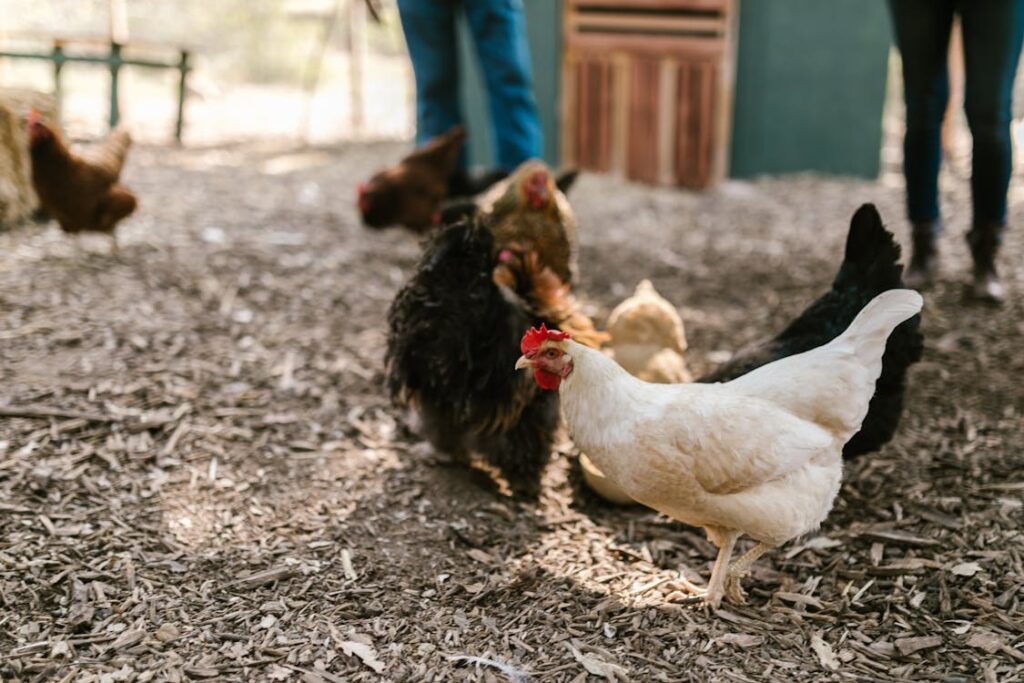
Ultimately, the best floor for your chicken coop is one that keeps your chickens happy, healthy, and safe while fitting your budget and maintenance preferences. Take your time to weigh the pros and cons of each option before making your decision.
Want to keep your chicken coop safe, clean, and comfortable? Visit Poultryperch for more tips and guides on creating the perfect living space for your flock. From flooring options to maintenance tricks, we’ve got you covered!