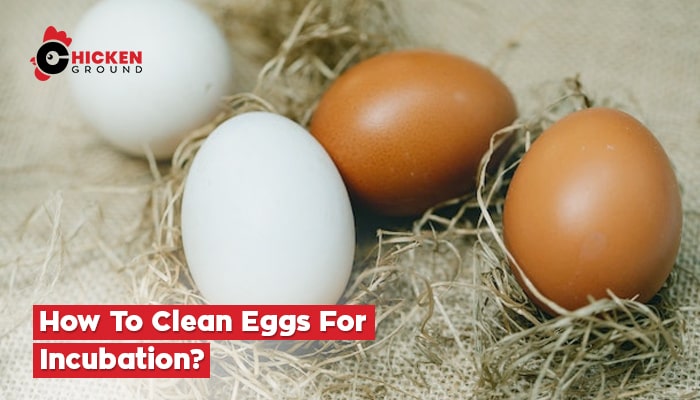
Roosters play a crucial role in the fertilization of chicken eggs. To understand the important role of roosters in fertilizing eggs, it is crucial to grasp the complex reproductive processes involved in chicken breeding. Studying how roosters mate, how sperm is transferred, and how fertilized eggs develop is important for understanding poultry reproduction.
Anatomy of a Rooster
Roosters are the male chickens responsible for fertilizing eggs. They have specific reproductive anatomy that is important for the fertilization process. Reproductive systems in animals include both internal and external structures that are specifically designed to facilitate the successful transfer of sperm during mating. To understand how eggs are fertilized and ensure successful breeding in poultry, it is important to have a good understanding of their reproductive anatomy.
Understanding the Role of Various Reproductive Organs
Roosters have reproductive organs that are important for fertilization. These organs include the testes, vas deferens, and cloaca (shared opening for excretion and reproduction, also used for sperm transfer). Unlike some bird species, roosters do not have a true phallus; instead, sperm is transferred through a “cloacal kiss,” where the rooster and hen align their cloacas during mating. The testes are responsible for producing and storing sperm, and the vas deferens is a tube that helps transport sperm during mating. The seminal vesicles mentioned in mammals are not present in birds; instead, sperm is mixed with simpler fluids produced in the testes and nearby structures. Understanding how roosters fertilize eggs in the poultry reproductive system requires comprehending the function of each organ involved.
The Fertilization Process
Roosters have unique mating behaviors and courtship rituals that they use to attract hens for successful fertilization. These behaviors often include physical displays like puffing out feathers, making sounds, and performing intricate dances. These actions are used to show their strength and dominance. However, subordinate roosters in a flock can also mate successfully, though they may have fewer opportunities compared to dominant roosters. Courtship rituals, such as vocal calls and specific movements, attract female hens and increase the chances of successful mating. It is important to understand these mating behaviors to understand how poultry populations naturally breed.
The Role of Sperm Transfer During Mating
Roosters transfer sperm to fertilize eggs during copulation. Sperm is stored in the hen’s sperm storage tubules (not “seminal glomera”) inside the oviduct and can remain viable for up to two to three weeks. Efficient sperm transfer is important for successful fertilization. The sperm must reach the ovum in the hen’s oviduct within a specific timeframe to achieve fertilization. Studying how sperm is transferred helps us understand the important factors contributing to successful fertilization in chickens.
Fertilization Within the Chicken’s Reproductive System
Chickens undergo fertilization in the hen’s reproductive system, specifically in the oviduct. After mating, the sperm travels through the hen’s oviduct and meets the ovum released from the hen’s ovary. Fertilization is a one-time event that occurs near the infundibulum of the oviduct. After fertilization, the embryo starts developing inside the egg as it moves through the different parts of the oviduct. Fertilization and early embryo development in a hen’s reproductive system are influenced by different factors, such as the environment and the hen’s body. These factors affect the success of egg fertilization and embryo development. Poultry breeders and researchers need to understand this process to improve reproductive success in chicken populations.
Factors Influencing Fertilization Success
The age and health of the rooster have a significant impact on the success of fertilization. Younger and healthier roosters tend to have better fertility rates. On the other hand, older or sick roosters may have lower quality and quantity of sperm, which can result in reduced success in fertilization. It is important to keep a rooster healthy by providing a balanced diet and regular check-ups. This will help maintain their reproductive ability and increase the chances of successful fertilization.
Frequency of Mating and Reproductive Activity
The frequency of mating and reproductive activity has a direct impact on the fertility of roosters and the overall success of egg fertilization. Having regular opportunities for mating and allowing sufficient time between mating sessions can help improve the distribution and health of sperm, which in turn increases the likelihood of successful fertilization. It is important to understand and control how often poultry mate to maintain high rates of fertilization in breeding programs.
Environmental Factors Affecting Mating Behavior and Fertility
Various environmental factors, such as temperature, lighting conditions, and housing arrangements, can have a significant impact on the mating behavior and fertility of roosters. Roosters’ mating behaviors can be affected by extreme temperatures and insufficient lighting, which can result in reduced reproductive activity and fertility rates. Creating a suitable and calm environment is important for roosters to mate naturally and improve their reproductive health in poultry farms.
Egg Development and Hatching
Chicken eggs, after being fertilized, go through an incubation period of around 21 days in ideal environmental conditions. During this time, it is important to maintain a steady level of heat and humidity for the fertilized eggs to develop properly. It is important to monitor and maintain the optimal conditions in the incubation environment to ensure successful hatching and chick development.
Role of Hen in Nurturing Fertilized Eggs
Hens are important for taking care of fertilized eggs while they are incubating. The birds keep the eggs warm and safe by sitting on them. This helps maintain the right temperature and humidity for the eggs to develop. While hens rotate the eggs to ensure even heat distribution and to prevent the embryo from sticking to the inner shell membrane, this does not affect nutrient distribution, as all nutrients are already enclosed within the egg. To promote successful egg incubation and hatching, it is important to understand the nurturing behaviors of hens and create a suitable nesting environment.
Hatching Process and Chick Development
Hatching is the final incubation stage when chicks use their egg tooth to break through the eggshell. After hatching, the chicks rely on the yolk sac reserves for nourishment during the first 48 hours. Then, they start eating external food. The right environmental conditions, like temperature and humidity, are important for the successful hatching and healthy growth of chicks. It is important to take good care of the chicks after they hatch and provide proper nutrition. This will help them grow and develop well, which is important for their future health in the poultry population.
Final Thoughts
Roosters play a crucial role in chicken reproduction by fertilizing eggs, essential for maintaining poultry populations. Roosters play a crucial role in chicken flocks by using specific mating behaviors, efficient sperm transfer mechanisms, and supporting successful egg development. This helps ensure the continuation of generations within the flock. Poultry breeders and enthusiasts need to understand the factors that affect fertility and the process of fertilization. This knowledge helps them improve breeding practices and maintain healthy poultry populations.