How to Insulate a Chicken Coop
Keeping your chickens comfortable during winter can feel like a challenge, but with the right setup, it’s easier than you think. One of the best ways to keep your flock cozy is by insulating the chicken coop. A well-insulated coop helps maintain a stable temperature, keeps out chilly drafts, and ensures your chickens stay warm and healthy.
If you’re wondering how to insulate a chicken coop without breaking the bank, don’t worry—I’ve got you covered. Let’s go through the process step by step, with simple tips to keep things easy.
Why Insulating Your Coop is Important
Chickens can handle colder weather, but extreme temperatures can be tough on them. A poorly insulated coop can lead to frostbite, stress, and a drop in egg production. Worse, it could compromise their health.
Insulation works by keeping heat inside the coop during winter and blocking drafts. It also helps keep the coop cooler in summer, making it a year-round win. Plus, it’ll save you from needing to use a chicken coop heater, which can be risky if not set up correctly.
Signs Your Coop Needs Insulation
Not sure if your coop could use an insulation upgrade? Here are a few clues:
- Frost on the inside walls of the coop during winter mornings.
- Your chickens huddle together constantly to stay warm.
- Egg production has dropped significantly in colder months.
- You notice drafts sneaking in around windows, doors, or other gaps.
Materials for Insulating a Chicken Coop
The good news is you don’t need fancy materials to insulate your hen coop. In fact, you can often use items you already have lying around. Here are a few great options:
- Styrofoam sheets: Lightweight, affordable, and easy to work with.
- Bubble wrap: Great for covering windows and adding an extra layer of insulation.
- Cardboard: A quick and eco-friendly option if you’re in a pinch.
- Hay or straw bales: Natural and cozy but best for external use (inside, they can attract pests).
- Plywood: Ideal for covering insulation materials and creating a solid interior layer.
- Weatherstripping: Perfect for sealing doors and windows.
Step-by-Step Guide to Insulating Your Coop
1. Inspect the Coop
Before you start insulating, take a good look at your coop. Are there any cracks or gaps where cold air can sneak in? Check around windows, doors, and corners. Make a note of these trouble spots—they’ll need extra attention.
2. Seal the Gaps
The first step is to block drafts. Use caulk, expanding foam, or weatherstripping to seal any cracks or gaps in the walls, floor, or roof. Don’t forget the areas around doors and windows.
Small fixes like these can make a big difference in keeping the cold air out and the warm air in.
3. Add Insulation to Walls
For the walls, attach your chosen insulation material—whether it’s Styrofoam, bubble wrap, or cardboard—to the interior. You can secure it with staples, nails, or glue.
To keep your chickens from pecking at the insulation, cover it with plywood or another protective layer. Chickens are naturally curious and might decide your insulation looks like a tasty snack!
4. Insulate the Roof
Heat rises, so the roof is one of the most important areas to insulate. Add a layer of insulation under the roof panels to keep the coop warmer. Again, cover the material with plywood to protect it from curious beaks.
5. Cover Windows with Bubble Wrap
Windows are a common source of heat loss, but bubble wrap is a quick and effective fix. Just cut a piece to fit the window, spritz the glass with water, and press the bubble wrap onto it. It’ll stick and add an insulating layer while still letting in light.
If you don’t mind temporarily blocking some light, you can also cover windows with a plywood panel for extra warmth.
6. Add a Cozy Floor Layer
Chickens spend a lot of time on their feet, so keeping the floor warm is key. Start with a thick layer of bedding, such as straw or wood shavings. For added insulation, you can place a layer of cardboard or foam boards underneath the bedding.
Alternatively, consider using the deep litter method, where you let bedding build up over time. As the bedding decomposes, it generates heat, which helps warm the coop naturally.
7. Use Hay Bales Outside the Coop
If you live in a particularly cold area, placing hay bales around the outside of the backyard chicken coop can act as an additional windbreak. This extra layer helps protect the coop from icy drafts and keeps the interior warmer.
8. Keep Ventilation in Mind
It’s important to insulate without completely sealing off the coop. Chickens produce moisture through breathing and droppings, and without proper ventilation, that moisture can build up and cause frostbite or respiratory issues.
Make sure your coop still has vents or small openings to allow fresh air to circulate. Just be sure these vents are positioned above the roosting area so cold air doesn’t blow directly on your chickens.
Additional Tips for a Warm Coop
- Keep it dry. Damp bedding or walls can make the coop feel colder. Replace wet bedding regularly and fix leaks immediately.
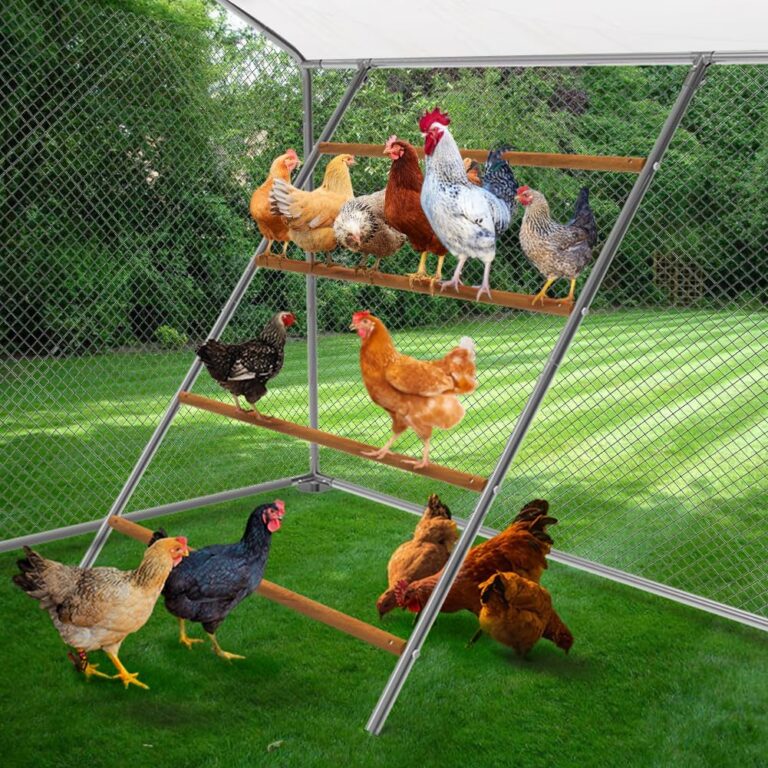
- Add roosts. Chickens naturally roost off the ground to stay warm. Make sure they have sturdy perches to sleep on.
- Block the wind. Position the coop so it’s shielded from strong winter winds, or set up a windbreak if needed.
- Provide extra bedding. During especially cold nights, adding more bedding gives your chickens a cozy spot to snuggle in.
Wrapping It Up
Insulating a chicken coop might take a little effort, but it’s one of the best ways to protect your flock during cold weather. With some simple materials and a bit of creativity, you can create a cozy, draft-free space where your chickens can thrive all winter long. Remember, insulation isn’t about making the coop toasty like a house—it’s about keeping the chill out and the temperature steady.
Ready to keep your chickens cozy all year round? Head over to Poultryperch for more tips, tools, and expert advice. Let’s make your coop winter-ready together—your flock will thank you!