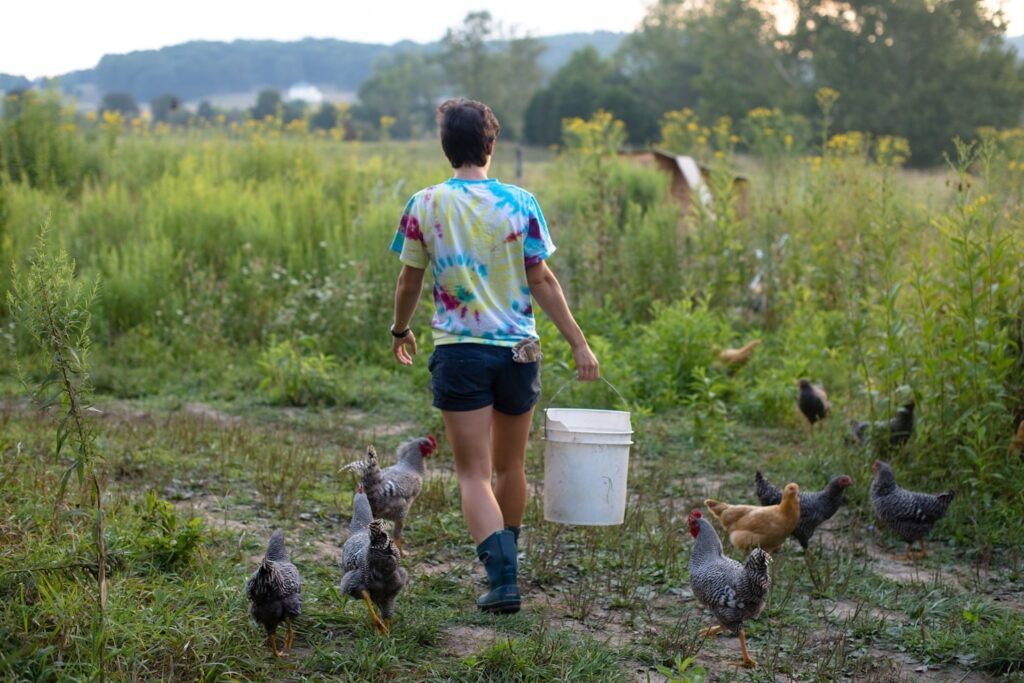
Thinking of raising chickens but don’t know where to start? Getting started with raising chickens can feel like stepping into unknown territory. You might be wondering, “How to get started raising chickens? What should I feed them? What bacteria do live chicken have?” It’s easy to get overwhelmed, but don’t worry—you’re not alone. With some clear guidance, raising chickens for eggs, meat, or simply for fun can be a rewarding and manageable task. In this guide, we’ll walk you through the steps of raising chickens for beginners. Whether you’re starting out with baby chicks or setting up a coop for the first time, we’ll cover everything you need to know to avoid common mistakes and keep your flock happy and healthy.
Why Do You Want to Raise Chickens?
First things first. Before diving in, ask yourself: Why do you want chickens? Your answer will shape the decisions you make, from the breed you pick to the type of care they’ll need.
- Eggs: One of the most common reasons people raise chickens is for fresh eggs. Backyard eggs tend to taste better than store-bought. Wondering how many eggs does a chicken lay in a day? A healthy hen will lay about one egg per day and 300 in a year! If you’re aiming for a steady supply of eggs, this might be your main goal. The eggshells and chicken poop can be added to a compost too.
- Meat: If you’re looking to raise chickens for meat, broilers (meat birds) are the way to go. They grow fast and can provide an ethical, sustainable source of food for your family.
- Gardening: Chickens can be a big help in the garden. They love to scratch the soil, eating weeds, insects, and even leftover veggies like carrot tops and broccoli stems. As they explore, they mix up the soil, making it healthier and ready for planting. Plus, chickens produce a lot of manure, which is perfect for composting. After about six months of aging, the manure can be added to your garden, providing rich nutrients for your plants. With their natural curiosity and energy, chickens can keep your garden healthy and pest-free while giving you great compost!
- Companionship: Surprisingly, chickens can be great companions! They have unique personalities, and some breeds are quite friendly. For most of the day, the chickens keep busy by pecking at grass, worms, beetles, and all the tasty things that help them produce those delicious farm-fresh eggs. If you’re raising them for fun, or just love watching them roam around your yard, they’ll be a joy to have.
Things To Consider Before Raising Chickens
Before getting started with raising chickens, ask yourself these questions:
- Are you prepared to attend to them daily?
- Where will you keep them, and where will they roam and sleep?
- Who will look after them when you are not available?
- Are you willing to rear chickens long-term?
There are a few things that you need to keep in mind before starting your own poultry nook:
- Regulations: Before you start, check your local town laws and ordinances. Some places have rules about whether you can keep chickens as well as the number of chickens you can own.
- Space: Chickens need enough room to roam and peck. Make sure you have a secure coop and a safe area where they can stretch their legs. If your space is limited, consider how many chickens you can comfortably keep.
- Time: Raising chickens requires daily care. You’ll need to feed them, collect eggs, clean the coop, and keep an eye on their health. Be prepared to spend time with them every day.
- Costs: While chickens provide fresh eggs, there are costs involved. You’ll need to buy feed, bedding, and supplies to keep them healthy. There’s also the cost of building or buying a coop.
- Predators: Chickens can be vulnerable to predators like foxes, raccoons, and hawks. You’ll need to build a sturdy, secure coop to keep them safe.
- Egg Supply: Expect to collect days daily! While chickens lay regularly, they slow down during the winter months and as they age, so plan accordingly.
How Many Chickens Should I Keep?
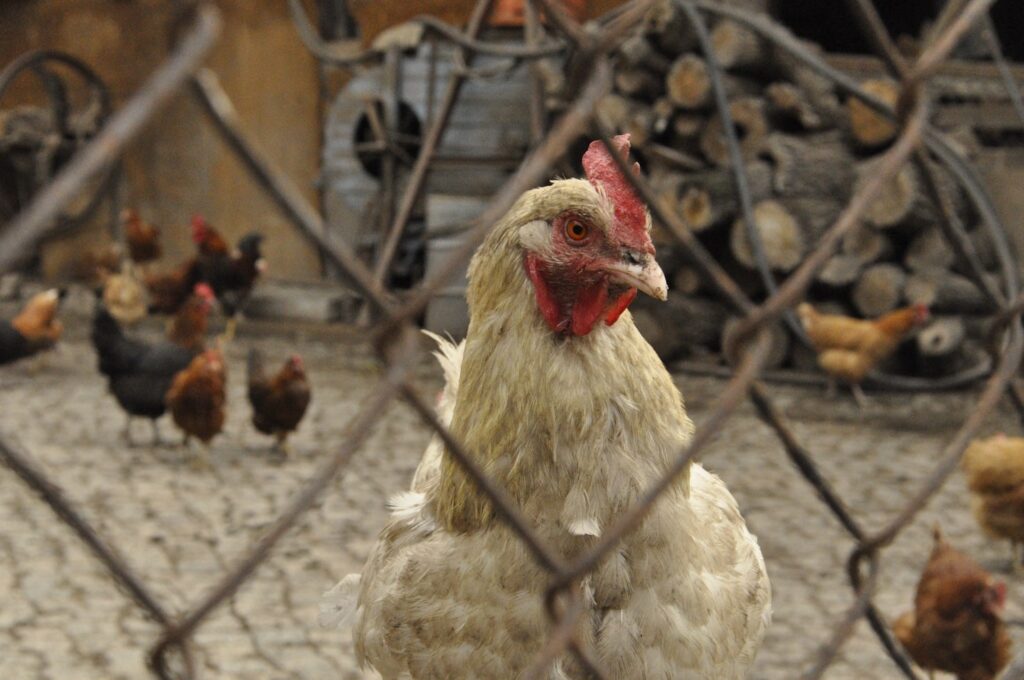
Chickens are social animals and do best when they have company. It’s a good idea to start with at least three to six birds, as they enjoy being part of a flock. This way, they’ll feel more secure and comfortable, and you’ll get a steady supply of eggs. Starting small with a manageable number of chickens is usually the best way to go, and you can always add more to your flock later!
Putting Up a Chicken Coop
One of the first things your chickens will need is a safe, secure, and comfortable coop. Chickens need a space where they can sleep, lay eggs, and find shelter from harsh weather.
- Indoor Space: You don’t need to buy an expensive chicken coop. If you have a barn, a backyard, or garage, these can be converted into a coop as long as they’re well-ventilated and dry. Make sure there’s enough space for your chickens to move around in your backyard chicken coop. A good rule of thumb is to have at least 4 square feet of space per bird inside the coop.
- Pre-made Coops: If you’re not into DIY, you can buy a premade coop. Just keep in mind that larger, high-quality coops can get expensive. Look for used ones online or ask around in your local community.
- Droppings Board: A droppings board under the roost catches chicken poop, making it easier to keep the coop clean. It helps reduce mess and cuts down on how often you need to clean the coop.
- Dust Baths: Make sure your chickens have a place to take dust baths, either inside or near the coop. Dust baths are a natural way for chickens to stay clean and get rid of parasites like mites.
Setting Up Your Chicken Run
Chickens love to roam, scratch, and explore. A run, which is an enclosed outdoor area attached to the coop, gives them space to move around while staying safe from predators.
Now the question arises: how much space do chickens need? Chickens should have at least 10 square feet (0.9 square meters) of space per bird in the run. If you have more room, that’s even better, as it reduces stress and gives them more opportunities to roam. Make sure the run is securely fenced with wire mesh to protect your chickens from predators like foxes or raccoons.
Putting Up Feeder and Waterer
Chickens need constant access to feed and clean water to stay healthy and lay good-quality eggs. Even if your chickens forage and find insects or plants, it’s important to supplement their diet with chicken feed to ensure they’re getting all the nutrients they need. A good chicken feed helps boost their health and supports their egg-laying ability.
When setting up a feeder, choose one that holds enough feed for your flock and is easy to refill. Keep the feeder in a dry spot to protect the food from getting wet and spoiled. Elevating the feeder or hanging it slightly above the ground helps keep it clean by preventing chickens from kicking dirt into it.
As your chickens grow, their dietary needs change. Here’s a simple guide:
- Starter Feed: This is for baby chicks and is packed with protein to help them grow.
- Grower Feed: For chickens between 6-18 weeks, this feed helps them continue growing without overdoing it on protein.
- Layer Feed: This is for laying hens, layer feed is perfect as it has added calcium to support healthy eggs.
Throw in some fruits, veggies, and leafy greens to keep their diet varied, but make sure their main food is the ‘feed’.
And don’t forget plenty of fresh water! Providing fresh, clean water at all times is crucial for your chickens’ health. Change their water regularly, especially in hot weather, when they tend to drink more. Make sure the water is kept cool and clean, as dirty or warm water can discourage chickens from drinking.
Also provide supplemental calcium, such as crushed oyster shells or limestone, to help your chickens lay strong, hard-shelled eggs. Keep the calcium in a separate container near the feeder, so they can eat it when they need it.
Foods to Avoid
Chickens will eat just about anything, but some foods are harmful to them. Avoid feeding them:
- Chocolate
- Avocados
- Onions
- Garlic
- Citrus fruits
- Salty or processed foods
These can cause digestive issues or even be toxic, so it’s better to stick to safer treats like fruits, veggies, or grains.
What Type of Chicken Should You Get?
When starting with chickens, you’ll want to think about whether to get hens, pullets, or chicks. Each option has its own benefits, depending on your needs.
- Hens: Adult hens are already mature and will start laying eggs right away. This is a great choice if your main goal is to get eggs quickly. Hens are also easier to care for since they don’t need the special care that chicks do. Keep in mind that older hens may lay fewer eggs as they age.
- Pullets: Pullets are young chickens, usually around 16-20 weeks old, that are just about to start laying eggs. They’re a good middle-ground option because they don’t need as much attention as chicks, but you’ll still get plenty of eggs from them once they start laying.
- Chicks: Baby chicks are adorable, but they require more care. They need a warm, safe environment and special food until they grow into adult chickens. Raising chicks can be a rewarding experience, and they’ll grow into healthy egg-layers, but it will take a few months before they start laying eggs.
Choosing the Right Breed
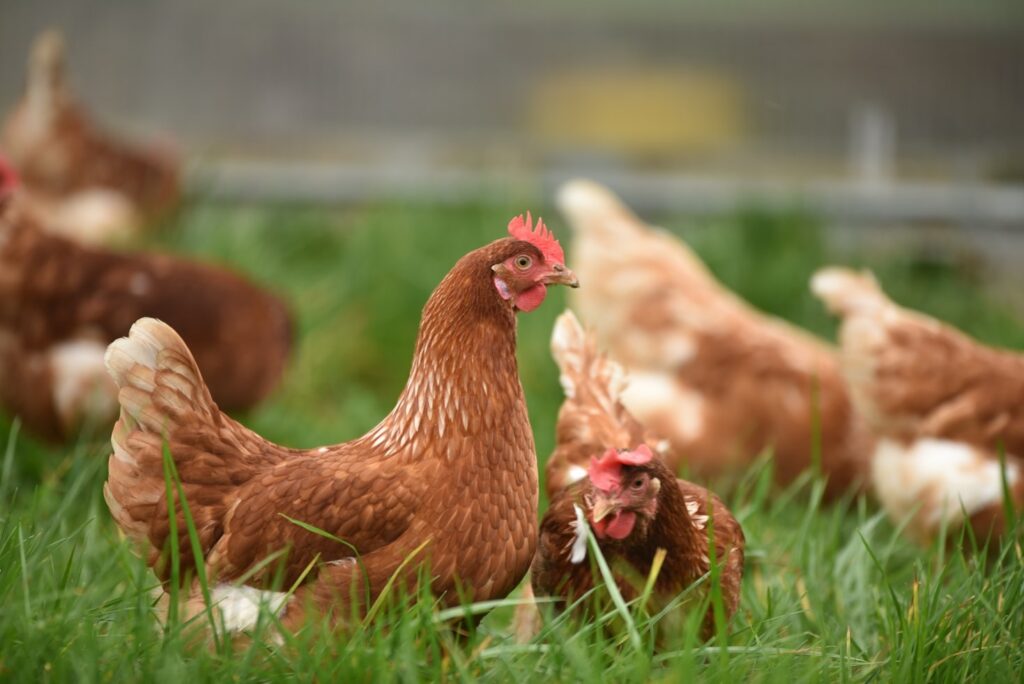
Choosing from the breeds of chicken depends on what you want from your chickens. Some types of chickens are better for eggs, while others are raised for meat or as pets.
- For Eggs: Breeds like Leghorn or Sussex are great layers. They’ll keep you well-stocked with eggs all year long.
- For Meat: If you’re after meat, try Cornish Cross. These chickens grow fast and produce a lot of meat.
- For Fun/Pets: If you’re raising chickens for fun or companionship, consider breeds like Silkies. They’re friendly, fluffy, and pretty unique!
Raising Baby Chicks
Starting with baby chicks? Get ready for a fun, rewarding experience, but know that they need a bit of extra care at the beginning.
- The Brooder: Baby chicks need a warm, safe space called a brooder for the first few weeks. You can use a box or small cage lined with bedding. Keep the temperature around 90-95°F for the first week, and lower it by 5°F each week as they grow.
- Feed and Water: Chicks need constant access to fresh water and starter feed (high-protein feed designed for babies). Keep an eye on their water to make sure it stays clean.
- Handling: Handle your chicks gently so they get used to you. This will help them become friendly, social birds.
After about six weeks, when they’re fully feathered, your chicks are ready to move to the coop.
Raising Chickens for Eggs
If you’re raising poultry for eggs, there are a few key things to keep in mind to make sure your hens stay happy, healthy, and productive.
Creating a Comfortable Coop for Egg-Layers
- Nesting Boxes: Your hens need a cozy, private spot to lay their eggs, and that’s where nesting boxes come in. It’s best to have one nesting box for every 3-4 hens, and you’ll want to line them with soft bedding like straw or wood shavings. This helps keep the eggs clean and cushioned. Don’t forget to check the boxes daily and collect the eggs so they stay fresh and unbroken!
- Roosting Bars: At night, chickens like to sleep off the ground, so roosting bars are a must. These bars should be placed higher than the nesting boxes — chickens like to feel secure when they sleep. Each hen will need about 8-10 inches of space to perch on the roosts. Natural wood or smooth dowels work well, and they should be high enough to make the hens feel safe but still easy for them to hop onto.
- Ventilation: Good air circulation is crucial in any chicken coop. You want to keep things fresh and reduce moisture and ammonia buildup from their droppings. Make sure there’s enough ventilation in the coop to avoid respiratory problems and keep everything dry. Fresh air will help your hens stay healthy and lay those beautiful eggs regularly.
Feeding Your Egg-Layers
Hens need the right nutrition to produce strong, healthy eggs. Here’s how to feed them at different stages:
- Starter Feed (0-6 weeks): For baby chicks, go for high-protein starter feed (about 20% protein). This helps them grow strong in their early days.
- Grower Feed (6-18 weeks): Once they’re bigger, they need a slightly lower protein feed (around 16-18%) as they continue to grow.
- Layer Feed (18 weeks and up): Once hens start laying, they need feed designed for layers, which has added calcium for strong eggshells. This is super important — without enough calcium, hens can lay weak or broken eggs. You can also provide extra calcium supplements like crushed oyster shells.
Daily Chicken Care
Taking care of your chickens each day is simple, but there are a few important tasks to keep them healthy and happy. Here’s a basic routine:
- Let Them Out: First thing in the morning, open the coop and let the chickens out to roam and stretch their legs. This gives them fresh air and space to explore.
- Feed Them: Feed your chickens each day. You can give them food scraps from your kitchen, which can be collected in a container by your sink. Make sure they also have access to their regular chicken feed. In the winter, when they can’t forage for insects, give them some extra scratch to keep them warm and active.
- Collect Eggs: Check the nest boxes 1-2 times a day and collect any eggs. This keeps the eggs clean and encourages the hens to keep laying in the nest boxes.
- Fresh Water: Make sure the waterer is always filled with clean, fresh water. Chickens need plenty of water to stay healthy, especially on hot days.
- Close Them In: At night, close the chickens in their coop to keep them safe from predators. Make sure all the birds are inside before securing the coop.
Do You Need a Rooster When Raising Chickens for Eggs?
No, you don’t need a rooster if you’re raising chickens just for eggs. Hens will lay eggs with or without a rooster. The only difference is that eggs laid without a rooster won’t be fertilized, so they won’t develop into chicks. If you just want fresh eggs to eat, there’s no need for a rooster.
Roosters can be helpful if you want to hatch baby chicks, as they fertilize the eggs. However, they can also be noisy and sometimes aggressive, which may not be ideal if you have close neighbors or prefer a quieter flock.
In short, if you’re focused on egg production and don’t plan to raise chicks, your hens will do just fine without a rooster. You’ll still get plenty of eggs, and your chickens will be happy and healthy.
Common Chicken Health Issues
Chickens are generally hardy, but they can have a few health issues. Here’s what to watch out for:
- Parasites: Mites and lice are common pests. If your chickens seem itchy or uncomfortable, it might be time to check for these critters.
- Bumblefoot: A bacterial infection that affects a chicken’s foot. Keep an eye out for swelling or limping, and check their feet regularly.
- Respiratory Issues: Make sure your coop is well-ventilated. Dust and moisture can lead to respiratory problems, so keep the air fresh and the coop dry.
Conclusion
Raising chickens can be one of the most rewarding experiences, whether you’re after fresh eggs, homegrown meat, or just the joy of having chickens around. With the right setup, food, and care, your flock will thrive, and you’ll enjoy the benefits they bring. Just remember to keep their coop safe and clean, feed them well, and check in on their health regularly. With a little effort, you’ll have happy chickens and a productive, fun-filled flock!
Are you a first time chicken owner? At Poultry Perch, we’ve got everything you need to get started — from helpful tips to the best product recommendations for your flock. Whether you’re a beginner or experienced, we’re here to support you every step of the way. Contact us today and get your chickens clucking with joy today!