Bringing home baby chicks is exciting! These tiny, chirping fluff balls need a cozy, safe space to grow strong and healthy. That’s where a brooder comes in. A brooder is a nursery for your chicks. It provides warmth, safety, and everything they need until they’re ready to move into the coop. Here’s a simple guide to setting up a chicken brooder that’s perfect for your little ones.
What Is a Chicken Brooder?
A brooder is a controlled environment where baby chicks can live and grow during their first few weeks of life. It’s like a mini house with all the essentials: warmth, food, water, and bedding. Chicks can’t regulate their body temperature when they’re newly hatched, so they rely on the brooder to keep them warm and comfortable.
Choosing the Right Brooder Box
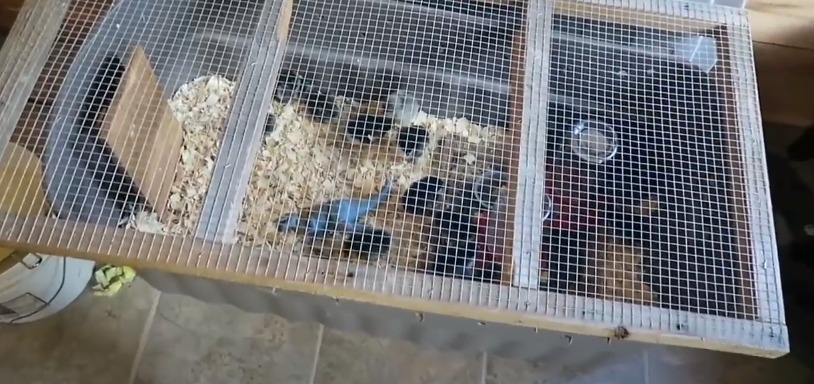
The first thing you’ll need is a container to serve as the brooder for chicks. There are lots of options depending on how many chicks you have and your budget. Here are some ideas:
- Plastic storage bins: Inexpensive and easy to clean, these are a great choice for small flocks.
- Cardboard boxes: A budget-friendly option, but make sure they’re sturdy and don’t get soggy from spilled water.
- Stock tanks: These are durable and perfect for larger flocks.
- Doggy Playpen: If you have an old playpen from your puppers, you can use that too.
Whichever container you choose, make sure it’s big enough for your chicks to move around comfortably and has high sides to keep them from jumping out.
Setting Up the Heat Source
Baby chicks need consistent warmth because they can’t keep themselves warm yet. You’ll need a heat source to maintain a temperature of about 95°F (35°C) during their first week. Reduce the temperature by 5°F each week until they’re fully feathered at around six weeks old.
Here are common heat sources:
- Heat lamps: Affordable and easy to find. Hang it securely above the brooder to avoid accidents.
- Brooder plates: Brooder plates mimic a mother hen and provide a more natural heat source. They’re a safer option if you’re worried about fire hazards.
Tip: Use a thermometer to monitor the chick brooder temperature. Place it at chick level and adjust the heat source as needed. If the chicks huddle together under the heat, it’s too cold. If they’re spread out and avoiding the heat, it’s too hot.
Adding Bedding
Bedding keeps the chicks brooder clean and gives the chicks a comfy surface to walk on. Popular choices include:
- Pine shavings: Absorbent and soft, but avoid cedar shavings as they can be harmful to chicks.
- Paper towels: Great for the first few days when chicks are tiny, but not practical long-term.
- Straw or hay: Works well but can get messy if not changed frequently.
Change the bedding often to keep things fresh and prevent odor or bacteria buildup.
Food and Water Setup
Baby chicks need easy access to food and water. Here’s what you’ll need:
- Chick feeders: These are designed to prevent waste and keep the food clean. You can use a small dish in a pinch but invest in a proper feeder if possible.
- Waterers: Use a shallow dish or a chick waterer to prevent drowning. You can add marbles or small stones to the dish to keep it safe.
For food, buy starter feed designed for chicks. It has the right balance of nutrients to help them grow. Always make sure they have fresh, clean water available.
Ventilation and Light
Good airflow is important to keep your chicks healthy, but you don’t want drafts. Place the brooder in a quiet area away from windows or vents. If you’re using a heat lamp, it will double as a light source, but keep the lighting consistent to avoid stressing the chicks.
Keeping the Brooder Clean
Chicks are messy! They’ll scratch at the bedding, spill water, and poop everywhere. Here’s how to keep things clean:
- Daily checks: Remove any wet bedding or spilled food every day.
- Weekly deep clean: Completely change the bedding and wipe down the brooder.
- Water hygiene: Clean the waterer daily to prevent bacteria buildup.
A clean brooder helps prevent diseases and keeps your chicks happy.
Observing Your Chicks
Spend time watching your chicks to make sure they’re comfortable and healthy. Here are some things to look for:
- Activity levels: Healthy chicks are active and curious.
- Eating and drinking: Make sure every chick is getting enough food and water.
- Feather condition: Their feathers should look fluffy and clean.
If you notice any chicks acting lethargic, isolate them and check for signs of illness.
Expanding the Brooder
As your chicks grow, they’ll need more space. Plan to upgrade their brooder or move them into a larger container. Crowded chicks can become stressed and start pecking at each other.
Transitioning to the Coop
At around six weeks old, your chicks should be fully feathered and ready to move to the coop. Gradually introduce them to their new home by letting them spend short periods in the coop before the full transition.
Final Tips for a Successful Brooder Setup
- Start small: You don’t need a fancy setup. A simple box and a heat lamp work just fine.
- Be prepared: Have everything ready before bringing your chicks home.
- Enjoy the process: Raising chicks is fun and rewarding, so take time to enjoy it.
By following these steps, you’ll create a safe and cozy brooder that gives your chicks the best start in life. Happy chick raising!
Looking for more poultry tips and tricks? At Poultryperch, we’ve got everything you need to raise happy, healthy chickens. Visit us today for simple, expert advice you can trust!