Breeding chickens is more than just pairing a rooster with a few hens—it’s an exciting journey that involves planning, care, and a dash of patience. Whether you’re interested in improving your flock’s traits or simply enjoying the joy of raising chicks, this guide will walk you through the essentials of breeding chickens in a straightforward and casual way.
Why Breed Chickens?
Before diving in, let’s talk about the why. Breeding chickens offers a lot of rewards:
- Improved Traits: Breeding allows you to focus on specific traits, like better egg production, unique feather colors, or a calmer temperament.
- Healthier Flock: You can select for disease resistance and overall hardiness, resulting in a stronger and healthier group of chickens.
- Sustainability: Raising your own chicks reduces your reliance on outside sources, especially hatcheries, and keeps your flock self-sufficient.
- It’s Fun! Watching eggs transform into fluffy chicks and then grow into adult chickens is one of the most rewarding aspects of poultry keeping.
Now before you dive into breeding your chickens, there are a few things you need to keep in mind:
Space to Raise Chicks
Raising chicks starts with making sure you have adequate space. Chicks may start small, but they grow fast!
- Brooder Setup: For the first few weeks of life, chicks need to be kept in a brooder—a safe, warm, and enclosed area. A large plastic tub, wooden box, or even a small kiddie pool can work as a brooder.
- Growing Space: Once the chicks grow their feathers (around 6 weeks old), they’ll need more space to roam. Overcrowding can lead to stress, pecking issues, and even disease. Plan for at least 2 square feet per chick during this stage.
- Transition to Coop: By 8–10 weeks, chicks can move to a secure coop. Make sure it’s spacious enough to accommodate their growing size and includes perches, nesting boxes, and an outdoor run.
Chicken Housing
Housing plays a big role in successful chicken breeding. You’ll need different areas for your breeding pen, a space for incubating eggs or broody hens, and housing for the chicks.
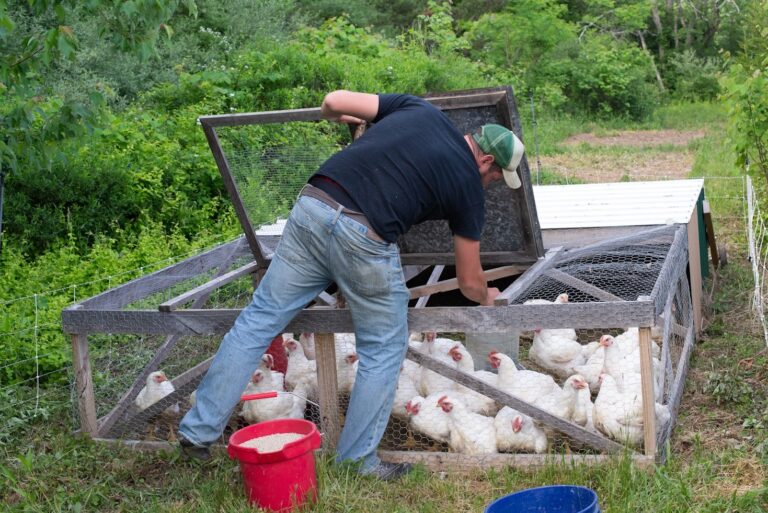
- Breeding Pen: A separate area for your breeding flock is essential. This helps you control which hens and roosters mate and avoids unintended mixes. The pen should include nesting boxes, ample space for the flock to roam, and a clean, dry environment to reduce disease risk.
- Incubation Area: If you’re using an incubator, you’ll need a quiet space indoors to monitor temperature and humidity levels. For broody hens, provide a secluded and safe nesting area within the coop.
- Chick Housing: Chicks need warm, predator-proof housing. In addition to the brooder, you’ll eventually need a grow-out area for older chicks before they’re ready to join the main flock.
Selective Breeding Chickens
If you’re breeding chickens with a specific goal in mind, like maintaining a breed standard, it’s crucial to choose the right birds for your breeding program.
- Breed Standards: If you’re focusing on a pure breed, familiarize yourself with its specific standards. For example, an Orpington should have a broad, soft body with a calm temperament, while a Leghorn should be active and known for high egg production.
- Cock Selection: The rooster (cock) contributes 50% of the genetics, so he plays a vital role. Choose a healthy, active rooster with traits you want to pass on, such as good feathering, a strong frame, or high fertility.
- Hen Selection: Hens also influence the quality of the offspring. Select hens with good egg-laying records, strong health, and desired physical traits.
- Avoid Inbreeding: While it’s tempting to keep breeding within your flock, too much inbreeding can lead to genetic weaknesses. Introducing a new rooster every few years helps maintain genetic diversity.
Health of Chickens
The health of your breeding chickens is a cornerstone of successful breeding. Healthy chickens produce strong, viable chicks, so it’s important to take extra care of the breeding flock.
- Diet: Feed your breeding flock a high-quality diet rich in protein, vitamins, and minerals. Layer feed works well, but you can supplement with treats like mealworms or greens to keep them in top condition.
- Vaccinations: Ensure that your breeding flock is vaccinated against common diseases, such as Marek’s disease and Newcastle disease.
- Regular Health Checks: Inspect your breeding chickens regularly for signs of illness, such as lethargy, weight loss, or abnormal droppings. Remove any sick birds from the breeding pen to prevent spreading disease.
- Clean Environment: Keep the pen clean and dry. Remove soiled bedding, disinfect waterers and feeders, and provide fresh water daily.
How Do You Start Breeding Chickens?
Let’s break down the actual breeding process step by step:
- Mating: Introduce the rooster to your hens in the breeding pen. Typically, one rooster can service 8–10 hens. Observe their interactions to ensure compatibility.
- Egg Collection: Once the hens start laying, collect eggs daily. Store the eggs pointy side down in a cool, humid place (around 50–60°F). Turn the eggs gently several times a day to keep the yolk centered. Eggs are viable for up to 7 days before incubation.
- Incubation: Decide whether to use an incubator or a broody hen.
- Using an Incubator: Follow the manufacturer’s instructions to maintain proper temperature (99.5°F) and humidity levels. Turn the eggs 3–5 times daily until day 18, then stop turning for the final hatching period.
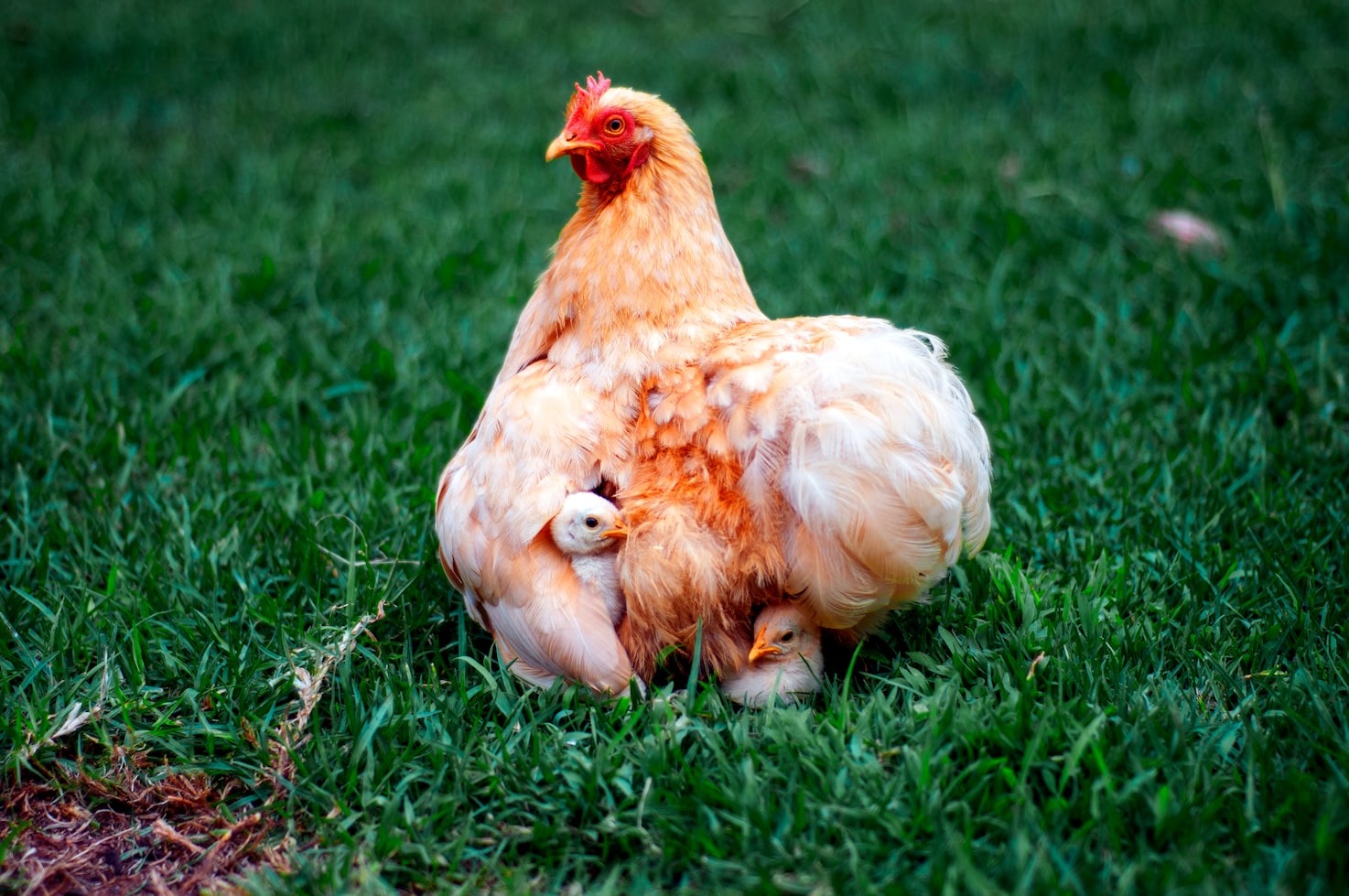
- Using a Broody Hen: Some hens will naturally go broody and sit on eggs. Place the eggs under her, ensuring she has a quiet, comfortable spot away from the rest of the flock.
Caring for Chicks
Once the eggs hatch, the real fun begins! Chicks need special care to ensure they grow up healthy and strong.
- Warmth: Chicks cannot regulate their body temperature, so a heat source like a heat lamp or brooder plate is essential. Start with a temperature of 95°F, reducing it by 5°F each week.
- Feed: Provide chick starter feed, which is formulated with high protein to support growth. Avoid giving them adult chicken feed, as it lacks the nutrients chicks need.
- Clean Water: Use a shallow waterer to prevent drowning, and make sure the water is always clean.
- Space: Overcrowding can lead to stress and disease. Provide at least 1 square foot per chick in the brooder and increase space as they grow.
Challenges in Breeding Chickens
Breeding chickens isn’t without its challenges, but most can be managed with a little preparation.
- Overcrowding: Too many birds in a small space can lead to stress, aggression, and disease. Always provide enough room for your flock.
- Infertility: Some roosters may not be fertile. If fertility rates are low, consider replacing the rooster or consulting a vet.
- Predators: Chicks are especially vulnerable to predators. Ensure your coop and brooder are predator-proof.
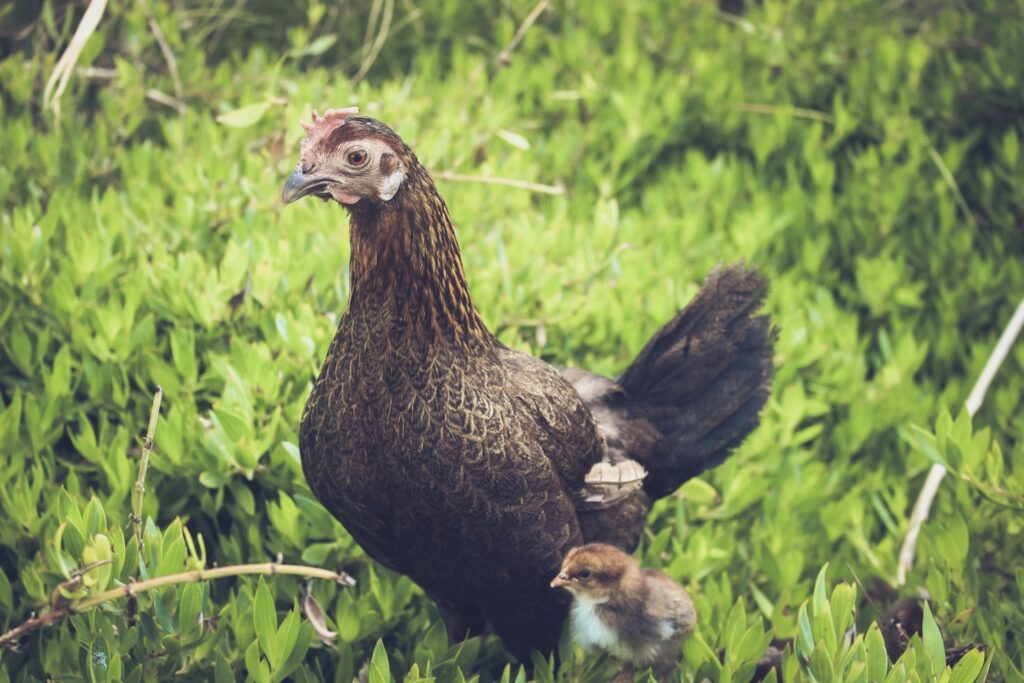
Breeding chickens is a journey filled with learning and joy. By selecting healthy birds, providing proper care, and maintaining good records, you’ll be well on your way to raising a thriving flock.
If you’re ready to dive deeper into chicken breeding or need more tips on raising healthy, happy chickens, Poultryperch has you covered! Explore our guides, connect with a community of fellow poultry keepers, and get expert advice to make your chicken-keeping journey even more fulfilling.