
What Comes Inside a Chicken Coop
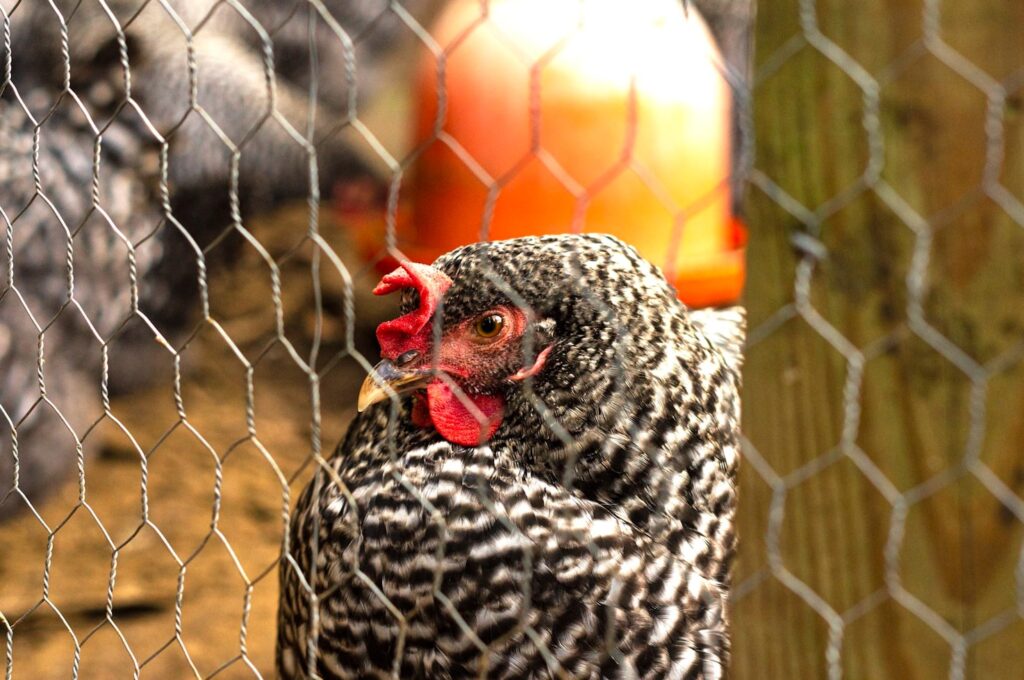
Setting up a chicken coop might seem simple—after all, chickens don’t need fancy gadgets or luxury living. But creating a space that keeps them safe, comfortable, and healthy requires a bit of thought. If you’re new to raising chickens or just want to ensure your hen coop has all the essentials, this guide is for you! Let’s take a look at what should the inside of a chicken coop have?
1. A Cozy and Secure Roosting Area
Chickens love to sleep perched up high. A roosting area is where they settle in for the night, safely off the ground. Here’s what you’ll need:
- Roosting Bars: These are usually wooden poles or boards where chickens can perch. Place them at least 2 feet off the ground and provide about 8-12 inches of space per chicken.
- Proper Placement: Roosting bars should be higher than nesting boxes to prevent chickens from sleeping (and pooping) in their egg-laying spots.
Why it matters: Roosting makes chickens feel safe and helps them stay warm, especially in colder months.
2. Comfortable Nesting Boxes
Nesting boxes are like cozy little nooks where hens lay their eggs. Each box should be about 12 inches wide, 12 inches deep, and 12 inches tall—just enough space for a hen to feel snug.
- How Many Boxes? Aim for one nesting box per 3-4 hens.
- Lining Material: Use straw, pine shavings, or other soft materials to keep eggs cushioned and clean.
Why it matters: Providing comfortable nesting boxes encourages hens to lay eggs in one spot, making egg collection much easier.
3. Adequate Ventilation
Yes, ventilation is part of what comes inside your coop! Fresh air is vital for keeping your flock healthy and preventing moisture buildup.
- Roof Vents and Windows: These help stale air escape and fresh air circulate.
- Hardware Cloth Covers: Make sure any openings are covered to keep predators out.
Why it matters: Good airflow reduces odors, moisture, and the risk of respiratory issues for your chickens.
4. Food and Water Stations
No chicken coop is complete without a place for food and water. Your flock needs access to fresh, clean supplies at all times.
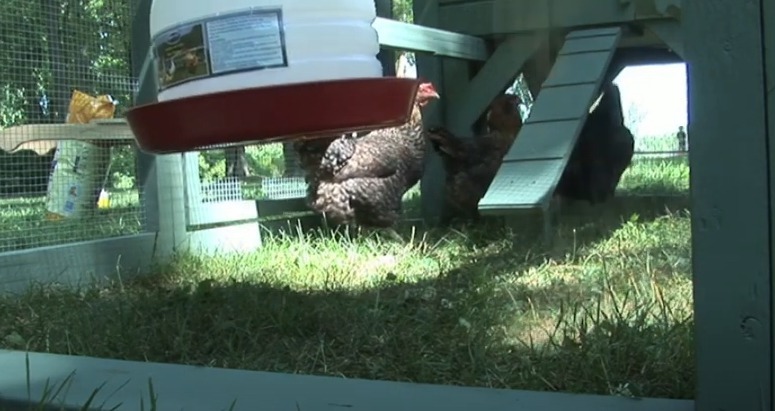
- Feeders: Choose a design that minimizes waste, like hanging feeders or gravity feeders.
- Waterers: Use sturdy water containers that are easy to refill and keep clean. Heated waterers are helpful in winter to prevent freezing.
Why it matters: Proper feeding and hydration keep your chickens healthy and productive.
5. Litter or Bedding Material
The floor of your coop needs a layer of bedding to absorb moisture and make cleanup easier. Popular options include:
- Pine Shavings: Soft, absorbent, and easy to replace.
- Straw: A traditional choice that works well but may need frequent replacing.
- Sand: Great for drainage and easy to scoop clean, like a litter box.
Why it matters: Bedding keeps the coop dry and reduces the risk of illnesses caused by dirty conditions.
6. Dust Bath Area
If you’ve ever seen chickens rolling around in the dirt, they weren’t just playing—they were taking a dust bath! A dust bath area helps them stay clean and keep pests like mites and lice at bay.
- Materials to Use: Fill a shallow box or corner with sand, fine dirt, and wood ash.
- Placement: Ensure it’s in a dry spot inside the coop or run.
Why it matters: Dust baths are a natural way for chickens to care for their feathers and skin.
7. Lighting (Optional)
While not strictly necessary, lighting can be helpful, especially during winter when daylight hours are short. Chickens need about 14-16 hours of light to lay eggs consistently.
- What to Use: Low-wattage LED bulbs work well. Avoid bright, harsh lighting.
- Timing: Use a timer to mimic natural daylight patterns.
Why it matters: Proper lighting can keep egg production steady during darker months.
8. Predator Protection
A backyard chicken coop isn’t just about what’s inside—it’s about keeping predators out. Include these protective measures as part of your setup:
- Hardware Cloth: Cover vents, windows, and any openings with hardware cloth (not chicken wire, which is easy for predators to tear through).
- Secure Latches: Use latches that raccoons or other clever predators can’t easily open.
Why it matters: A secure coop is essential for your chickens’ safety and your peace of mind.
9. Access Doors and Ladders
Your hen coop needs a few openings for easy access—for both you and your chickens.
- Chicken Door (Pop Door): A small opening that lets chickens come and go between the coop and their run. Consider an automatic door for added convenience.
- Human-Sized Door: This makes it easier for you to clean and collect eggs.
- Ramp or Ladder: If your coop is raised, a ramp helps chickens get in and out easily.
Why it matters: Accessible designs make daily chicken care and cleaning much easier.
10. Enrichment Items
Happy chickens are healthy chickens! Add a few fun items to keep your flock entertained and stress-free.
- Perches: Install extra perches for chickens to hop on during the day.
- Hanging Treat Dispensers: Fill them with greens or veggies to encourage natural foraging behaviors.
- Mirrors or Shiny Objects: Chickens are curious and love to peck at reflective surfaces.
Final Thoughts
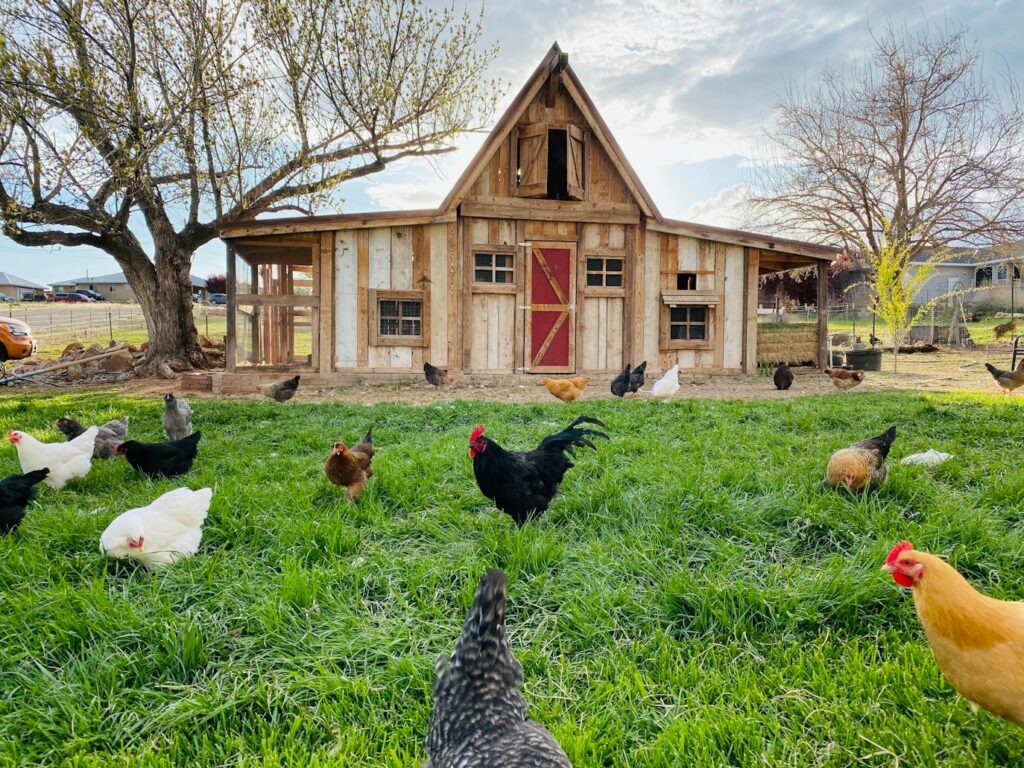
A well-equipped chicken coop doesn’t have to be fancy or expensive—it just needs to meet your flock’s basic needs. Think of the coop as your chickens’ home, where they sleep, lay eggs, eat, and relax.
Take the time to set it up with all the essentials, and your chickens will reward you with fresh eggs, happy clucks, and a healthier, longer life. Remember, every flock is unique, so feel free to customize your coop to suit your chickens’ needs and your own setup.
Got questions or extra tips about what to include in a chicken coop? We at PoultryPerch would love to hear them! The more we share, the better care we can give to our feathered friends. Happy chicken keeping!