Chicken Nesting Boxes Guide
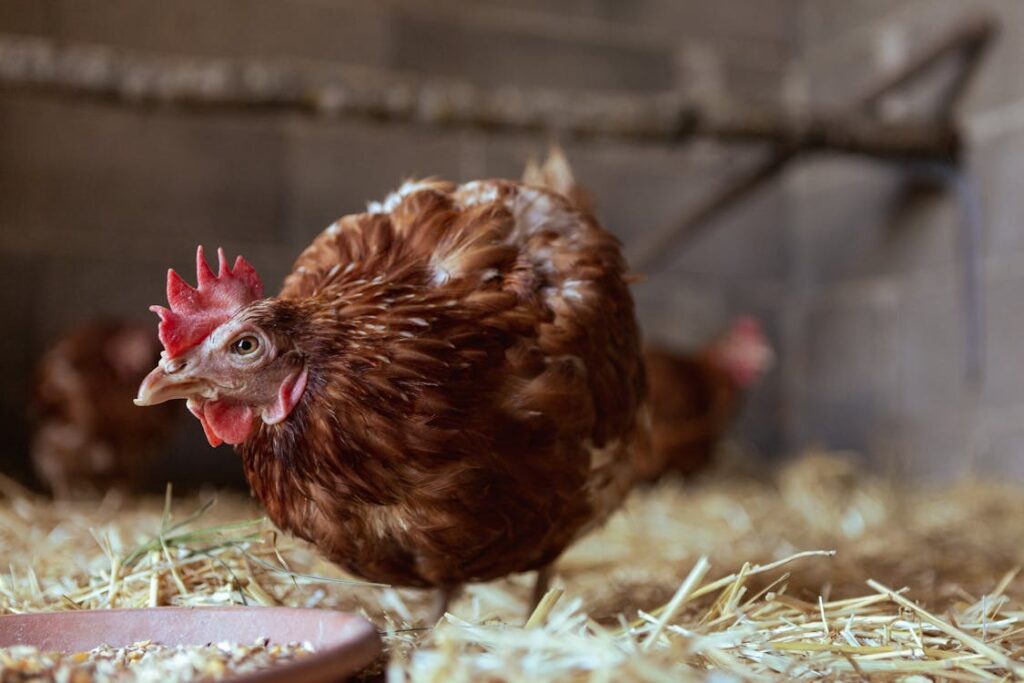
If you’re new to raising chickens, one thing you’ll quickly learn is how important chicken nesting boxes are for happy hens and fresh eggs. Nesting boxes are where your chickens lay their eggs. Having the right setup can make things easier for both you and your flock. Let’s dive into everything you need to know about chicken nesting boxes!
Do I Need a Nesting Box?
Yes, you do! Nesting boxes are essential if you want to collect clean and unbroken eggs. Without nesting boxes, hens might lay their eggs anywhere—on the floor, in corners, or even outside the coop. This makes the eggs more likely to get dirty or damaged. Plus, having designated spots encourages your chickens to lay in a consistent place, saving you time during egg collection.
How Many Nesting Boxes Per Chicken?
A good rule of thumb is one nesting box for every 3-4 chickens. Chickens are surprisingly polite when it comes to laying their eggs, and they’re okay with sharing. If you have too many boxes, some might go unused. On the other hand, if you don’t have enough, you might find hens crowding into one box or laying their eggs elsewhere.
Chicken Nesting Boxes Sizes
The size of your nesting boxes matters! A box that’s too small will make your hens uncomfortable, while a box that’s too big might encourage multiple hens to squeeze in at once. Aim for boxes that are about:
- 12 inches wide
- 12 inches tall
- 12-14 inches deep
This size is perfect for most chicken breeds. If you have larger breeds like Brahmas or Jersey Giants, you might need to go a bit bigger, around 14-16 inches.
How to Get Chickens to Use a Nesting Box
Sometimes chickens don’t automatically use nesting boxes for chickens, especially if they’ve gotten used to laying somewhere else. Here are some tips to encourage them:
- Place the boxes in a quiet, dark area – Chickens prefer privacy when laying eggs. Choose a spot away from noisy or busy parts of the coop.
- Add comfy bedding – Use soft materials like straw, pine shavings, or shredded paper to make the boxes inviting. Keep it clean and dry.
- Use fake eggs – Placing a golf ball or ceramic egg in the box can trick chickens into thinking it’s a good spot for laying.
- Block off old laying spots – If your chickens are laying in random places, block those areas to encourage them to use the boxes instead.
- Check for pests – Mites or lice in the coop can make chickens avoid the boxes. Regular cleaning and dusting the coop with poultry-safe powder can help.
DIY Chicken Nesting Boxes
You don’t have to spend a lot of money on fancy nesting boxes. In fact, you can make them using everyday items! Here are some simple ideas:
- Wooden Crates or Boxes
Sturdy wooden crates are perfect for nesting boxes. Line them with bedding and place them off the ground in the coop. - Plastic Storage Bins
Cut a low opening in one side of a plastic bin for easy access, then fill it with bedding. These are easy to clean and durable. - 5-Gallon Buckets
Lay buckets on their sides and secure them so they don’t roll around. Add bedding, and you’ve got a cheap and effective nesting box. - Repurposed Furniture
Old drawers, shelves, or cubbies can be converted into nesting boxes. Just make sure they’re the right size and safe for chickens to use. - DIY Wooden Boxes
If you like building things, you can make custom wooden boxes using plywood. This allows you to design them exactly how you want.
Tips for Setting Up Nesting Boxes
- Keep them off the ground: Mount the boxes 18-24 inches above the coop floor to protect eggs from dirt and predators.
- Don’t place them too high: Chickens shouldn’t have to jump too far to reach the boxes, especially larger breeds.
- Angle the roof: A slanted roof on the box discourages chickens from roosting on top and making a mess.
- Spread them out: Space the boxes apart or in different corners of the coop to avoid crowding.
Common Nesting Box Problems (and How to Solve Them)
- Hens Sleeping in Nesting Boxes
If your chickens are sleeping in the boxes, they’ll dirty the bedding and make it less inviting for laying eggs. To fix this, provide plenty of roosting space above the boxes for nighttime perching. - Eggs Getting Broken
Broken eggs can attract pests and encourage chickens to eat eggs (a hard habit to break). Ensure your boxes have enough soft bedding and collect eggs daily. - Chickens Refusing the Boxes
If they’re not using the boxes, double-check the placement, size, and bedding. You might need to try fake eggs or block off alternative laying spots.
How to Keep Nesting Boxes Clean
Keeping nesting boxes clean is crucial for healthy hens and fresh eggs. Here are some tips:
- Change bedding regularly: Remove soiled bedding and replace it with fresh materials at least once a week.
- Deep clean occasionally: Scrub the boxes with a poultry-safe cleaner every few months to prevent buildup of bacteria or pests.
- Check daily: When collecting eggs, inspect the boxes for messes or damage and clean as needed.
What to Avoid in Nesting Boxes
- Crowding: Too many chickens per box can lead to squabbles and broken eggs.
- Dirty bedding: Wet or soiled bedding invites pests and bacteria.
- Inadequate ventilation: Good airflow in the coop helps keep nesting boxes fresh and dry.
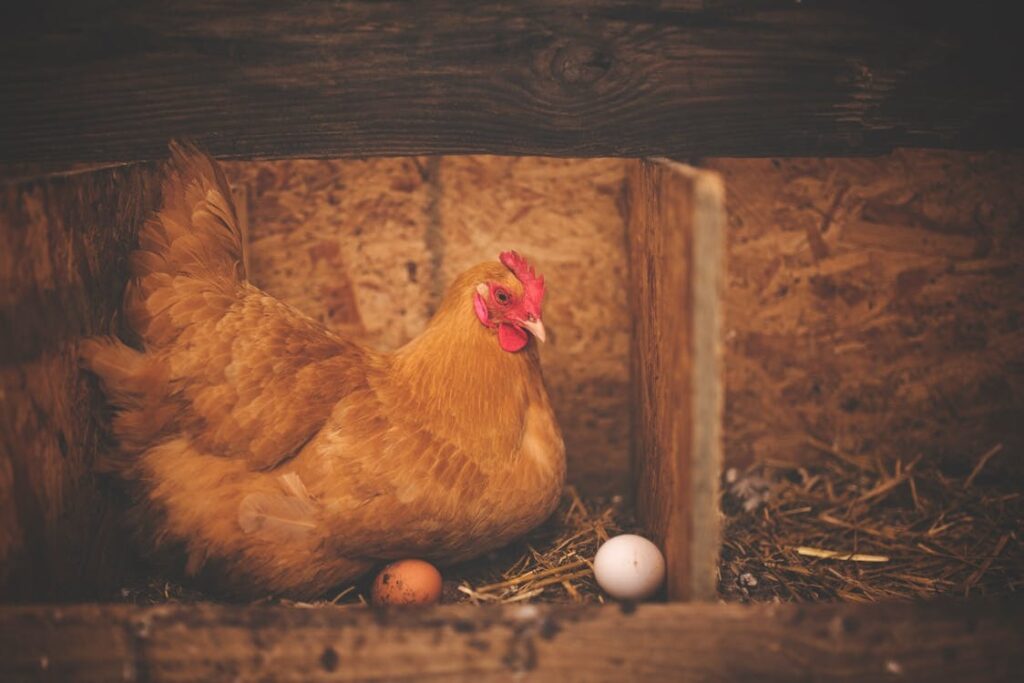
Having the right nesting boxes makes life easier for you and your flock. By providing a comfortable, clean, and safe space for your chickens to lay, you’ll ensure you get plenty of fresh eggs—and happy hens! If you’re just starting out or thinking about upgrading your setup, follow these tips, and you’ll have nesting boxes that work like a charm.
Check out our detailed tips and tricks for happy hens and healthy eggs every time. Visit PoultryPerch now for more chicken care advice!