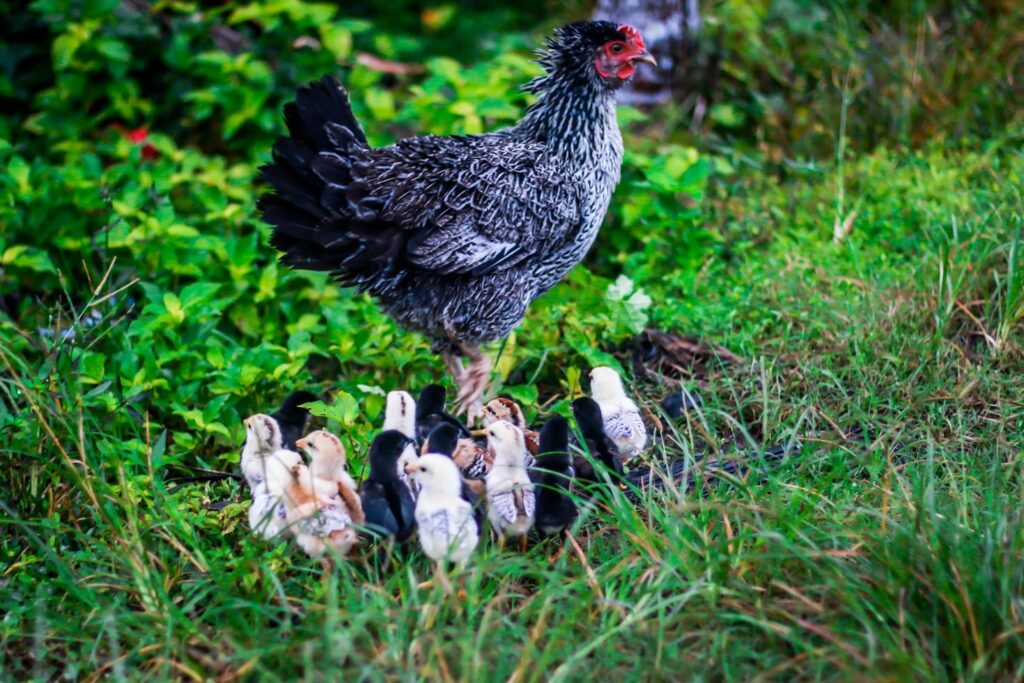
Wondering if you can add new chicks to an older flock? Introducing new chicks to a flock is an exciting milestone for chicken keepers. However, it’s a sensitive process, as older hens are often territorial and can be aggressive toward newcomers, especially if the chicks are young or introduced too quickly. With the right approach, though, you can safely integrate new chicks with older hens and create a peaceful, happy flock. Here’s a guide on how to do it right:
How Many Chicks Should You Add?
When adding new chicks, the number you introduce at once is important. Bringing in a group of three or more young chickens works best. If you introduce only one chick, it’s more likely to be singled out and bullied by the older hens. But if you add several chicks together, they have strength in numbers, which provides a level of protection. Adding multiple chicks also reduces the likelihood of any one newcomer being picked on too much.
When Can New Chicks Be Introduced to the Flock
Timing is everything when it comes to successfully adding chicks to your flock. Young chicks are too small and vulnerable to face older hens right away, so they must be raised separately for a while. The absolute minimum age for integrating new chicks is around six weeks, but many chicken keepers recommend waiting until the chicks are between 8 and 12 weeks old.
At this age, known as the pullet stage, the young hens are bigger, stronger, and more capable of handling interactions with the established flock. Waiting until they’re at least eight weeks old makes a significant difference, as they’re more similar in size to the adult hens. Younger, smaller chicks are often seen as weaker and are more likely to be pecked by the older birds. The closer they are in size, the smoother the transition will be.
Raising Baby Chicks Separately
Until your chicks are old enough to join the flock, they’ll need their own safe space, often called a brooder. A brooder is a warm, secure area where baby chicks can grow without interference from older hens. This space also gives them time to build strength and size before facing the more competitive flock environment.
In the brooder, keep the temperature around 95°F in the first week, then lower it by 5°F each week until they’re ready to go outside. Make sure the chicks have access to food, water, and plenty of room to move around.
Use the Buddy System
When it’s finally time to introduce your new chicks, using the “buddy system” by adding three or more young pullets is a smart strategy. This group approach allows the chicks to support each other, giving them confidence in their new environment. It also helps prevent the older hens from focusing their pecking order attention on just one new chick.
Having several new additions gives the newcomers a stronger presence, making it harder for the older hens to single out any one chick for bullying. With a small group, the chicks have companionship, which can make the introducing new chicks to old chickens less stressful.
Go Slow
Start by placing your young pullets in a pet carrier or a small, enclosed area close to the main flock. This setup lets the older hens see and smell the newcomers without direct contact. During these initial days, the older hens can observe the young pullets from a safe distance, and the young chickens get the chance to familiarize themselves with their future flock mates.
After a few days of visual interaction through a barrier, you can begin letting the pullets explore the larger coop area during short, supervised sessions. Introducing the young pullets gradually over several days or weeks reduces the shock of the integration, making it easier for the flock to adjust peacefully.
Be Slick
When you’re ready to put the new chicks in the same coop as the older hens, try a sneaky approach by introducing them at night. Chickens become more docile after dark, which means they’re less likely to react aggressively to newcomers introduced while they’re sleeping. Adding the pullets after the older hens have settled in for the night allows the young chickens to find a comfortable spot in the coop.
In the morning, the older hens may notice the newcomers, but because the young chickens are already there, the transition may feel more natural. This “sneak introduction” approach helps ease tensions and lets the pullets settle into the coop without immediate confrontation.
Give Them Time to Adjust
Once the pullets are in the coop, it’s important to give them time to learn their way around. Consider setting up a temporary enclosure for the older hens for a couple of hours each day so the young pullets can explore freely. This allows the new chickens to find where the food, water, and nesting areas are located without being chased away.
By giving the pullets time to adjust, you help them build confidence and learn to navigate the space without feeling intimidated by the older hens. After a few days of these “orientation” sessions, the pullets will feel more comfortable, making it easier for them to hold their own when the older hens rejoin them.
Final Tips for a Peaceful Integration
- Provide Extra Feeding Stations: Older hens might guard food and water areas, so setting up a few additional feeding stations can make a big difference. This way, the pullets have other options if they’re chased away from one spot.
- Watch for Bullying: Keep an eye on the flock dynamics during the first few days. Some pecking is normal as the chickens work out their new hierarchy, but if you notice any serious aggression, separate the younger pullets for a bit longer and try the introduction again gradually.
- Ensure Plenty of Space: Crowding can increase stress and aggression in the flock. If possible, make sure your coop and run have enough space for everyone to spread out comfortably. The more room your flock has, the less likely they’ll feel threatened by the newcomers.
- Be Patient: Introducing new chicks to an established flock takes time. Each flock is different, and some may take longer to accept new members. By being patient and going slowly, you’re setting your flock up for success.
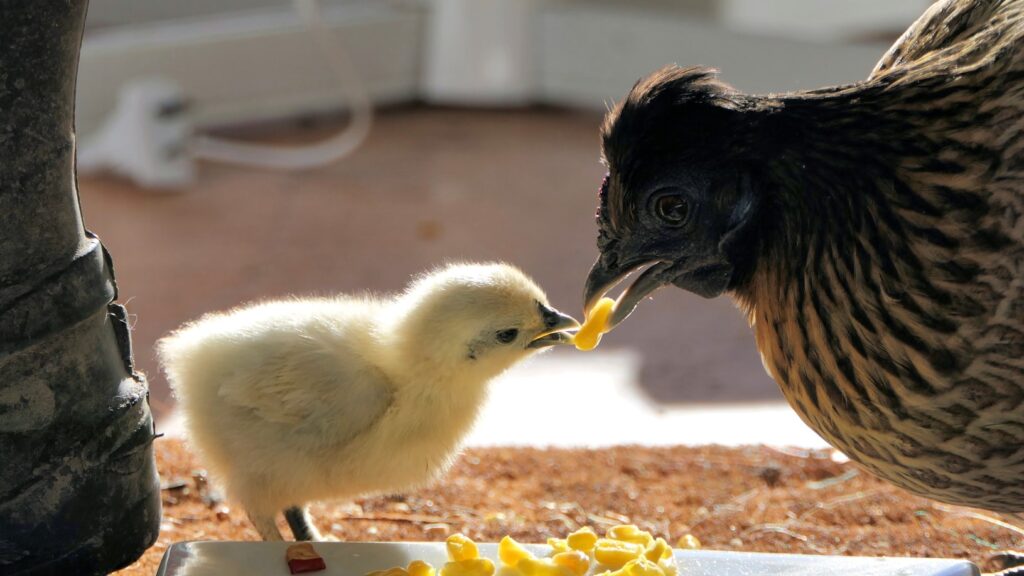
Mingling new chicks with old hens can feel a bit challenging, but with patience and the right strategy, it’s very doable. Soon, your new pullets will find their place in the pecking order, and you’ll have a happy, united flock that includes both the new and older chickens.
Looking for more information on raising your chicks? Poultryperch is the place to go! Explore our guides and tid bits on raising your poultry right.